

What If I Did Something Terrible and Can’t Remember?” How CBT Therapy Helps With Past-Harm OCD
Some people with OCD are tormented by the fear that they harmed someone in the past, perhaps badly, and have forgotten or missed it. There is no evidence that anything happened, yet the doubt feels real, and the guilt can be overwhelming. This is a recognised form of OCD, and it is highly treatable. This article explains why past-harm doubts feel so convincing, why checking and mental...
Learn More

From Guilt to Relief: Treating Inflated Responsibility With CBT Therapy
Inflated responsibility can make everyday decisions feel loaded with the risk of causing harm. Explore how this belief fuels OCD-related guilt, checking and reassurance-seeking, and how CBT therapy helps you develop a more balanced sense of responsibility.
Learn More

Why OCD Convinces You That Thinking Equals Doing
Thought-Action Fusion (TAF) is a cognitive distortion common in OCD, where having a thought feels as significant, or even as morally equivalent, as acting on it. This article explains why TAF fuels guilt, checking, and avoidance, and how CBT Therapy helps people separate a thought from an intention.
Learn More

Exposure and Response Prevention (ERP): The Gold-Standard Treatment for OCD
Exposure and Response Prevention (ERP) is widely regarded as the gold-standard treatment for OCD. In this guide, CBT Clinic London explains how ERP works, what treatment involves, and how it helps individuals break the cycle of obsessions and compulsions.
Learn More

Why Can’t I Stop Worrying? How CBT Therapy Treats Generalised Anxiety Disorder
Constant worry can feel exhausting and difficult to switch off. Learn how Generalised Anxiety Disorder develops, why uncertainty and reassurance-seeking can keep worry going, and how CBT therapy helps you respond differently to anxious thoughts.
Learn More

How CBT Therapy Helps Treat Alcohol Addiction
Summary: Alcohol addiction rarely responds well to willpower alone, because it’s maintained by learned patterns, unhelpful beliefs, and coping mechanisms that have built up over time, not a simple lack of self-control. CBT Therapy is one of the most well-evidenced psychological treatments for alcohol addiction, addressing the specific triggers, thoughts, and cycles that keep...
Learn More
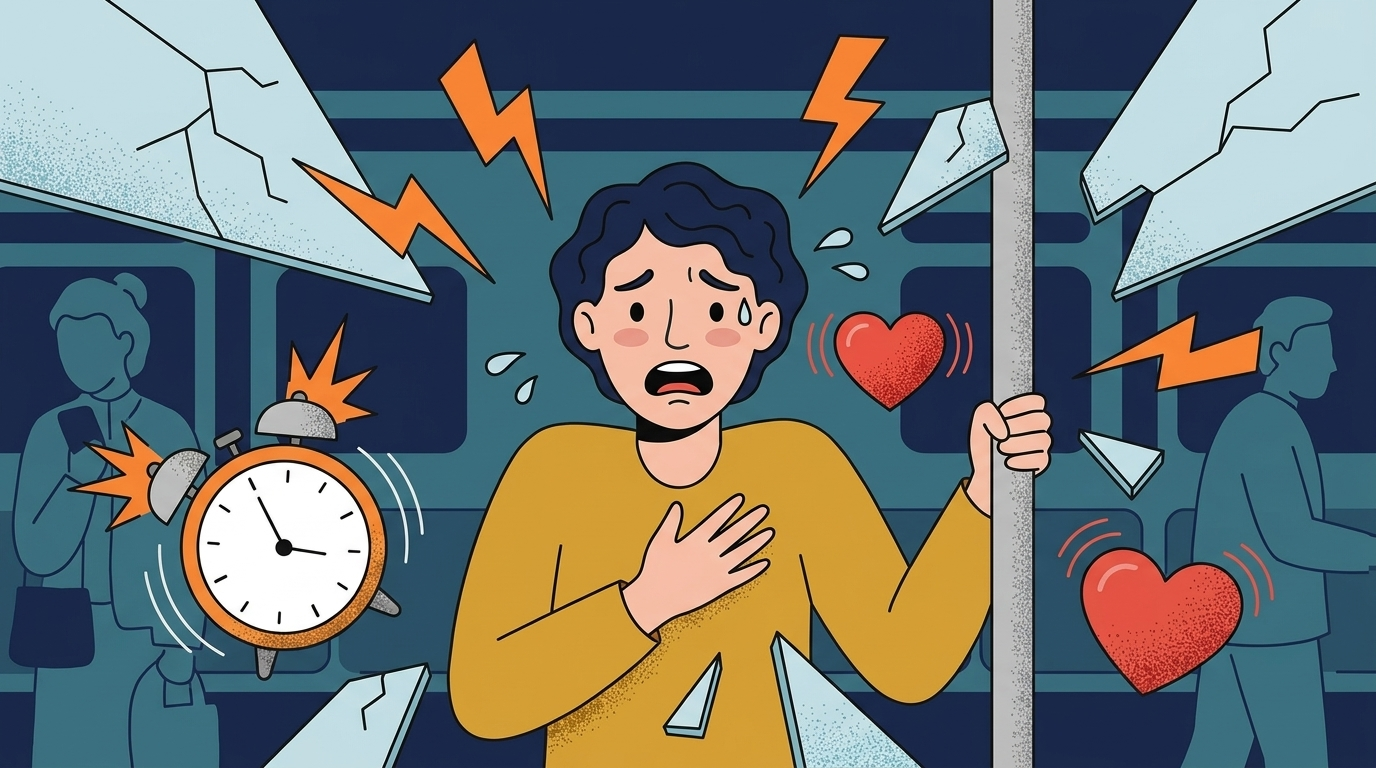
How CBT Therapy Treats Panic Disorder: A Step-by-Step Overview
Panic disorder involves recurrent, unexpected panic attacks and the fear of having more, often leading to avoidance of everyday situations. CBT Therapy is considered a first‑line treatment because it directly targets the panic cycle—misinterpreted sensations, escalating anxiety, and safety behaviours that keep the disorder going. This article explains what panic disorder is, why panic attacks...
Learn More

Harm, Sexual, or Religious Intrusive Thoughts: How CBT Therapy Helps With Pure O
Pure O, or “purely obsessional” OCD, involves intrusive thoughts about harm, sexual themes, or moral and religious concerns, alongside hidden mental compulsions rather than visible rituals. These thoughts feel deeply distressing precisely because they contradict a person’s true values. This article explains why these themes are so common, how mental compulsions keep the cycle going, and how...
Learn More
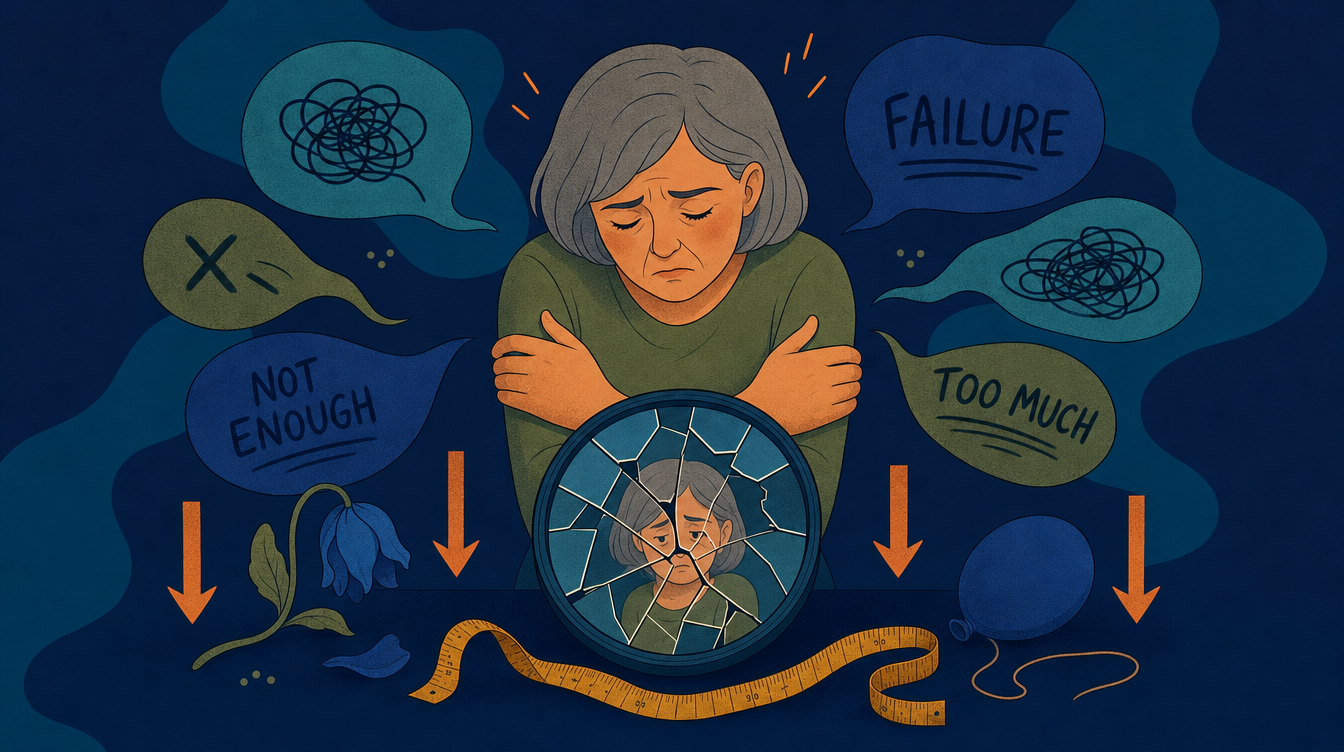
Building Self-Esteem From the Inside Out: A CBT Therapy Approach
Low self-esteem is driven by deep-rooted beliefs and patterns of self-criticism, not just “negative thinking.” This guide explains where low self-esteem comes from, how CBT Therapy works with core beliefs to build lasting self-worth, and what to expect over a typical course of treatment at CBT Clinic London.
Learn More
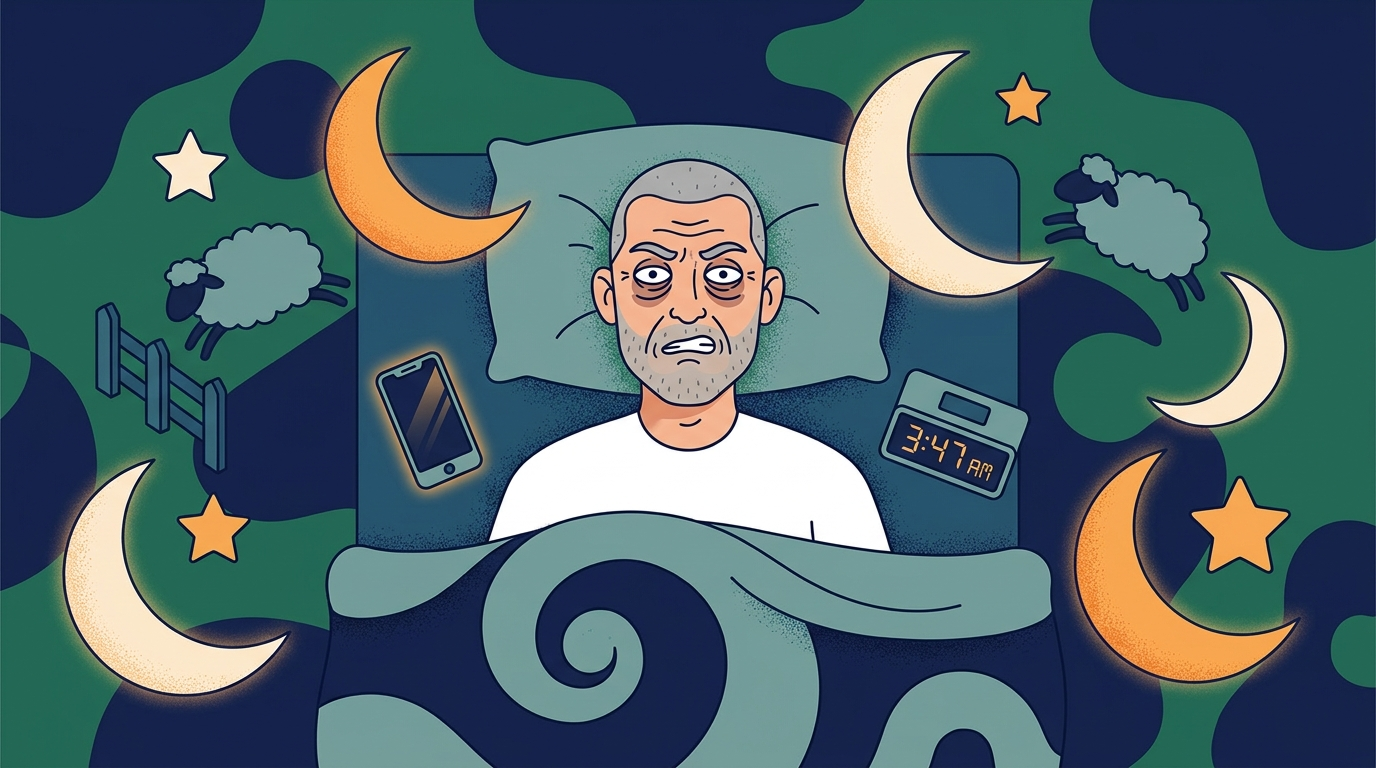
CBT for Insomnia: Why It Works Better Than Sleeping Pills for Many People
CBT for Insomnia (CBT‑I) is the recommended first‑line treatment for chronic insomnia, often outperforming sleeping pills over the long term. This guide explains how CBT‑I works, why its benefits last beyond treatment, and what a typical 4–8 session course looks like at CBT Clinic London.
Learn More