

Understanding Dissociation: HowCBT Therapy Can Help YouReconnect
Summary: Dissociation is a common response to overwhelming stress or trauma, involving a sense of disconnection from your body, surroundings, or sense of self. While it can feel frightening, it’s a protective response the mind has learned, and it’s treatable. This article explains what dissociation is, why it happens, and how CBT Therapy, including Trauma-Focused approaches, helps people reconnect with the present.
Feeling foggy, detached, or like you’re watching your own life from a distance can be deeply unsettling, especially when it happens without warning. This experience, known as dissociation, is far more common than many people realise, and it’s a recognised, treatable response rather than a sign that something is permanently wrong. Understanding what’s happening, and why, is often the first step toward feeling more present again.
What Is Dissociation?
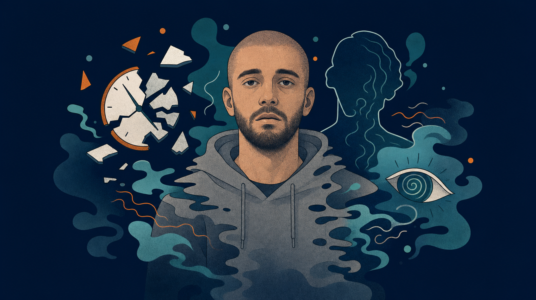
Dissociation describes a disconnection between thoughts, feelings, sense of identity, memory, or surroundings. It exists on a spectrum, from everyday experiences like daydreaming or losing track of a car journey, through to more disruptive experiences such as depersonalisation (feeling detached from your own body or thoughts), derealisation (feeling like the world around you isn’t quite real), or gaps in memory for periods of time. For some people, dissociation is occasional and mild. For others, particularly those with a history of trauma, it can be frequent and distressing.
Why Dissociation Happens
Dissociation is often best understood as a protective mechanism. When a situation feels overwhelming, physically or emotionally dangerous, or impossible to escape, the mind can create psychological distance as a way of coping, effectively separating a person from the full intensity of what’s happening. This response is especially common in the context of trauma, where dissociation may have helped someone get through an experience they otherwise couldn’t. The difficulty arises when this protective response continues to trigger long after the original danger has passed, sometimes activated by reminders, stress, or situations that echo the original threat.
How CBT Therapy Approaches Dissociation
1. Assessment and understanding your pattern. A CBT therapist will explore when dissociation tends to happen, what triggers it, and what it feels like for you specifically, since dissociative experiences can vary considerably between individuals.
2. Psychoeducation. Understanding dissociation as a protective, learned response, rather than something “wrong” with you, is often a powerful and relieving first step. Many people feel considerable shame around dissociating, and this alone can begin to ease that.
3. Grounding techniques. A core part of treatment involves learning practical grounding strategies, using the senses, movement, or breath, to help bring your attention back to the present moment when dissociation begins.
4. Identifying triggers. Together with a CBT therapist, you’ll build an understanding of the specific situations, sensations, or reminders that tend to trigger dissociative episodes, which makes them more predictable and less frightening.
5. Addressing underlying trauma, where relevant. Where dissociation is linked to past trauma, Trauma-Focused CBT Therapy may be used to gradually and safely process the underlying experiences that are driving the dissociative response, always at a pace that keeps you feeling safe and in control.
6. Building a stronger sense of safety and stability. Treatment often includes strengthening your overall sense of safety, both internally and in your environment, since dissociation tends to ease as a person’s baseline sense of safety improves.
How Long Does Treatment Take?
Treatment length varies considerably depending on the severity of dissociation and whether it’s connected to underlying trauma. Grounding and stabilisation work may bring noticeable relief within a handful of sessions, while addressing root trauma tends to take longer, often several months, since safety and pacing are prioritised throughout.
What to Expect Emotionally
It’s common to feel some apprehension about exploring dissociation directly, particularly if it’s linked to difficult past experiences. A good CBT therapist will prioritise stabilisation and grounding before any deeper trauma work begins, ensuring you have solid coping tools in place first. Progress is rarely linear, and that’s expected, not a sign that treatment isn’t working.
Is CBT Therapy the Right Fit for You?
CBT Therapy, particularly Trauma-Focused CBT Therapy, tends to be well suited to dissociation linked to specific triggers or past experiences, especially where a person wants a structured approach with clear tools to manage symptoms day to day. A good first session should involve a careful, unhurried conversation about your experiences and a clear plan that prioritises safety and stabilisation before anything else.
Frequently Asked Questions
Is dissociation the same as “zoning out”?
Mild dissociation, like daydreaming or losing track of a familiar drive, is common and generally harmless. Clinical dissociation tends to be more intense, more disruptive, and often linked to stress, trauma, or specific triggers, rather than simple distraction.
Does dissociation mean I have a serious mental illness?
Not necessarily. Dissociation exists on a wide spectrum and is a feature of several conditions, including PTSD and some anxiety disorders, but it can also occur on its own. A CBT therapist can help clarify what’s happening for you specifically.
Can grounding techniques really stop dissociation in the moment?
Grounding techniques won’t necessarily prevent dissociation from starting, but with practice, they can help shorten episodes and make them feel more manageable, giving you a genuine sense of tools you can use rather than feeling helpless.
Do I have to talk about my trauma in detail to be treated for dissociation?
Not necessarily, and not straight away. Stabilisation and grounding work often comes first. Any deeper trauma processing happens gradually and only once you and a CBT therapist agree you’re ready, never before.
Will dissociation ever go away completely?
Many people experience a significant reduction in frequency and intensity with treatment, particularly once underlying triggers or trauma are addressed. Occasional dissociation during high stress can still happen afterward, but most people find it far more manageable with the tools treatment provides.
Not Sure If This Is What You’re Experiencing?
If you’re not sure whether what you’re experiencing fits dissociation or something else, our Mental Health Symptom Compass can help you think it through. Simply describe what you’re experiencing, and it will suggest therapy directions worth exploring. Try the Symptom Compass →
About the Author
This article was written and reviewed by Alistair Bond, a Senior CBT Therapist at the CBT Clinic London. Alistair is fully accredited with the BABCP (British Association for Behavioural and Cognitive Psychotherapies) and has 25 years of experience working as a CBT therapist, including 13 years within the NHS before establishing his private practice. His clinical experience spans a wide range of anxiety, mood, and trauma-related difficulties, giving him a grounded, evidence-based perspective on what actually works in treatment.
Related Posts

OCD Therapy CBT Private Clinic East London
OCD Therapy CBT Private Clinic East London Obsessive-Compulsive Disorder or OCD...
Chronic Pain
Chronic Pain: The International Association for the Study of Pain (IASP) defines...

Understanding Dissociation: HowCBT Therapy Can Help YouReconnect
Feeling foggy, detached, or like you're watching your own life from a distance...
