

What If I Did Something Terrible and Can’t Remember?” How CBT Therapy Helps With Past-Harm OCD
Some people with OCD are tormented by the fear that they harmed someone in the past, perhaps badly, and have forgotten or missed it. There is no evidence that anything happened, yet the doubt feels real, and the guilt can be overwhelming. This is a recognised form of OCD, and it is highly treatable. This article explains why past-harm doubts feel so convincing, why checking and mental reviewing make them worse, and how CBT Therapy helps you step out of the cycle.
Learn More
From Guilt to Relief: Treating Inflated Responsibility With CBT Therapy
Inflated responsibility can make everyday decisions feel loaded with the risk of causing harm. Explore how this belief fuels OCD-related guilt, checking and reassurance-seeking, and how CBT therapy helps you develop a more balanced sense of responsibility.
Learn More
Why OCD Convinces You That Thinking Equals Doing
Thought-Action Fusion (TAF) is a cognitive distortion common in OCD, where having a thought feels as significant, or even as morally equivalent, as acting on it. This article explains why TAF fuels guilt, checking, and avoidance, and how CBT Therapy helps people separate a thought from an intention.
Learn More
Exposure and Response Prevention (ERP): The Gold-Standard Treatment for OCD
Exposure and Response Prevention (ERP) is widely regarded as the gold-standard treatment for OCD. In this guide, CBT Clinic London explains how ERP works, what treatment involves, and how it helps individuals break the cycle of obsessions and compulsions.
Learn More
Why Can’t I Stop Worrying? How CBT Therapy Treats Generalised Anxiety Disorder
Constant worry can feel exhausting and difficult to switch off. Learn how Generalised Anxiety Disorder develops, why uncertainty and reassurance-seeking can keep worry going, and how CBT therapy helps you respond differently to anxious thoughts.
Learn More
How CBT Therapy Helps Treat Alcohol Addiction
Summary: Alcohol addiction rarely responds well to willpower alone, because it’s maintained by learned patterns, unhelpful beliefs, and coping mechanisms that have built up over time, not a simple lack of self-control. CBT Therapy is one of the most well-evidenced psychological treatments for alcohol addiction, addressing the specific triggers, thoughts, and cycles that keep drinking going. This article explains how alcohol dependence develops, how CBT Therapy treats it, and what a typical course of treatment looks like.
Alcohol addiction is often misunderstood as simply a matter of self-control, if someone tried hard enough, they’d stop. In reality, alcohol dependence is a complex pattern involving learned associations, physical dependence, and deeply ingrained coping strategies, which is exactly why willpower alone so rarely works. CBT Therapy takes a different approach, treating alcohol addiction as a pattern that can be understood, interrupted, and changed.

How Alcohol Dependence Develops
Alcohol use often begins as a way of coping, with stress, social anxiety, low mood, boredom, or difficult emotions, and provides genuine short-term relief. Over time, the brain begins to associate certain situations, emotions, or even times of day with drinking, and these cues can trigger cravings that feel automatic and hard to resist. As tolerance builds, more alcohol is needed to achieve the same effect, and stopping or cutting back can bring on physical and psychological withdrawal symptoms, which further reinforces continued drinking. What started as a coping strategy gradually becomes a self-sustaining cycle.
Why CBT Therapy Is Effective for Alcohol Addiction
CBT Therapy is one of the most extensively researched psychological treatments for alcohol addiction because it directly addresses the mechanisms that keep drinking going: the triggers that prompt cravings, the beliefs that justify or minimise drinking, and the coping gap left behind once alcohol is no longer being used to manage difficult emotions. Rather than relying on willpower alone, CBT Therapy provides practical, learnable skills for recognising and interrupting the cycle at each stage.
What Happens in Treatment: A Step-by-Step Overview
1. Assessment and formulation. A CBT therapist will explore your drinking history, patterns, and the specific situations, emotions, or thoughts that tend to trigger drinking, building a clear, individual understanding of what maintains it for you.
2. Identifying triggers and high-risk situations. Together, you’ll map out the people, places, emotions, or routines most strongly linked to drinking, since recognising these in advance is often the first step in changing the pattern.
3. Challenging unhelpful beliefs about alcohol. Beliefs like “I need a drink to relax” or “I can’t cope with this without alcohol” often go unexamined. CBT Therapy helps identify these beliefs and test them against real evidence.
4. Building alternative coping strategies. Since alcohol often fills a genuine coping function, treatment focuses on developing other, sustainable ways of managing stress, difficult emotions, social anxiety, or boredom.
5. Managing cravings. You’ll learn practical techniques for riding out cravings, which typically peak and then subside, rather than escalating indefinitely as they can feel like they will in the moment.
6. Relapse prevention planning. Toward the end of treatment, you’ll build a specific, personalised plan for recognising early warning signs and responding to high-risk situations, since lapses are common and are treated as learning opportunities rather than failures.
Understanding Lapses and Relapse
One of the most valuable aspects of CBT Therapy for alcohol addiction is how it reframes setbacks. A single lapse is understood as an event to learn from, not evidence that treatment has failed or that the person is incapable of change. CBT Therapy specifically addresses what’s sometimes called the “abstinence violation effect,” the tendency to interpret one drink as total failure, which can otherwise trigger a much larger relapse. Treating a lapse as information rather than catastrophe is often key to sustained recovery.
How This Fits Alongside Medical Support
For people with significant physical dependence, medically supervised detox may be necessary before starting psychological treatment, since alcohol withdrawal can be medically serious and should never be attempted alone without guidance. CBT Therapy is not a substitute for medical care where that’s needed, but works alongside it, addressing the psychological and behavioural patterns that medical treatment alone doesn’t resolve. A CBT therapist will discuss with you whether a medical assessment should come first.
What to Expect Emotionally
Reducing or stopping drinking often brings underlying emotions, anxiety, low mood, or unresolved stress, back into focus, since alcohol may have been masking these for some time. This can feel uncomfortable, and it’s a normal, expected part of the process rather than a sign that things are going wrong. A good CBT therapist will help you build coping skills before and alongside this work, rather than leaving you to manage it alone.
Frequently Asked Questions
Does CBT Therapy require total abstinence, or can it help with cutting down?
This depends on your specific situation and goals. CBT Therapy can support either an abstinence-based approach or a moderation-focused one, though a CBT therapist will discuss what’s realistic and safe for you, particularly where physical dependence is involved.
Do I need to stop drinking before starting therapy?
Not necessarily, though this depends on the severity of dependence. For significant physical dependence, a medical assessment and possibly supervised detox may need to happen first. A CBT therapist will help clarify the right starting point for your situation.
What if I have a lapse during treatment?
Lapses are common and are treated as useful information rather than failure. Part of CBT Therapy involves specifically preparing for this possibility, so a lapse doesn’t spiral into a larger setback, and can instead be used to strengthen your relapse prevention plan.
How long does treatment usually take?
This varies considerably depending on severity and individual circumstances, but many people work with a CBT therapist for somewhere between 12 and 24 sessions, sometimes with periodic follow-up support afterward to help sustain progress long-term.
Not Sure If This Is What You’re Experiencing?
If you’re not sure whether your relationship with alcohol has become something you need support with, our Mental Health Symptom Compass can help you think it through. Simply describe what you’re experiencing, and it will suggest therapy directions worth exploring. Try the Symptom Compass →
About the Author
This article was written and reviewed by Alistair Bond, a Senior CBT Therapist at the CBT Clinic London. Alistair is fully accredited with the BABCP (British Association for Behavioural and Cognitive Psychotherapies) and has 25 years of experience working as a CBT therapist, including 13 years within the NHS before establishing his private practice. His clinical experience spans a wide range of anxiety, mood, and trauma-related difficulties, giving him a grounded, evidence-based perspective on what actually works in treatment.
Learn More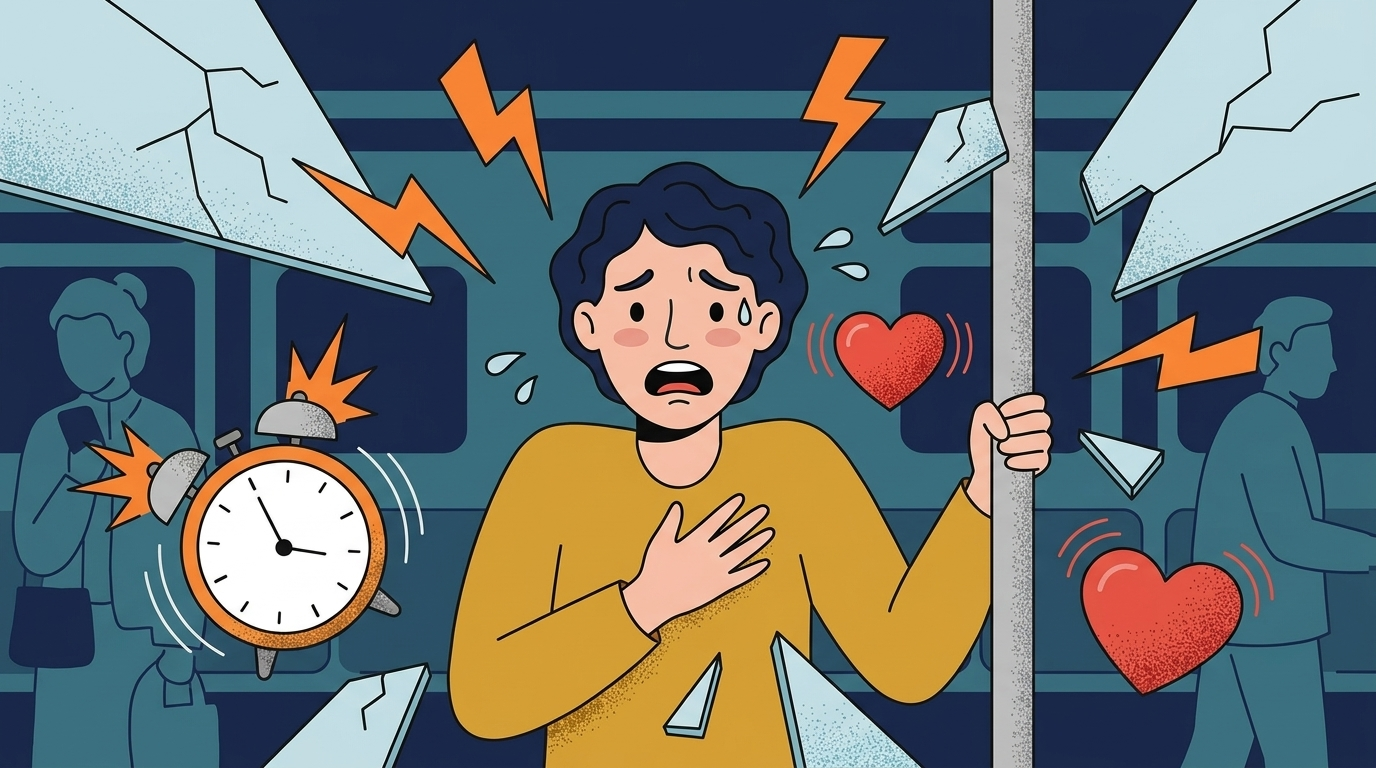
How CBT Therapy Treats Panic Disorder: A Step-by-Step Overview
Panic disorder involves recurrent, unexpected panic attacks and the fear of having more, often leading to avoidance of everyday situations. CBT Therapy is considered a first‑line treatment because it directly targets the panic cycle—misinterpreted sensations, escalating anxiety, and safety behaviours that keep the disorder going. This article explains what panic disorder is, why panic attacks feel so frightening, and how CBT Therapy helps reduce both the frequency of attacks and the fear surrounding them.
Learn More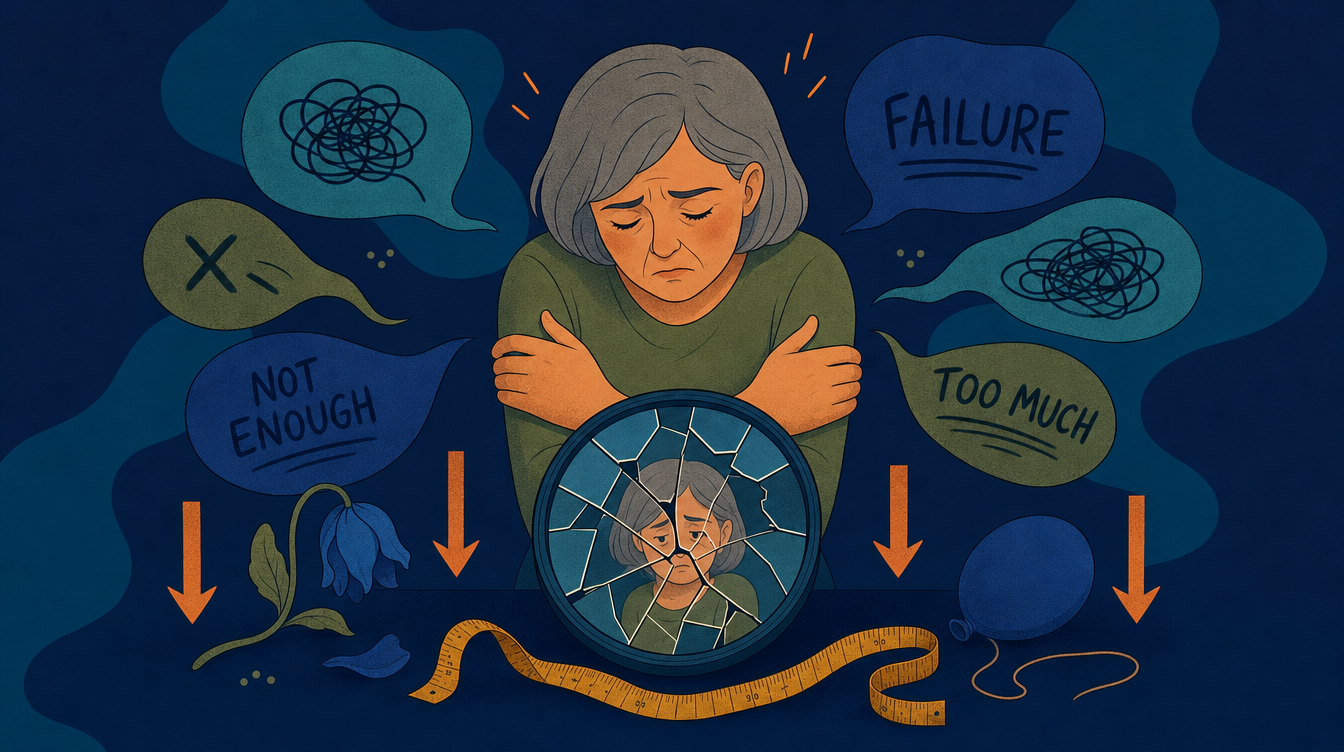
Building Self-Esteem From the Inside Out: A CBT Therapy Approach
Low self-esteem is driven by deep-rooted beliefs and patterns of self-criticism, not just “negative thinking.” This guide explains where low self-esteem comes from, how CBT Therapy works with core beliefs to build lasting self-worth, and what to expect over a typical course of treatment at CBT Clinic London.
Learn More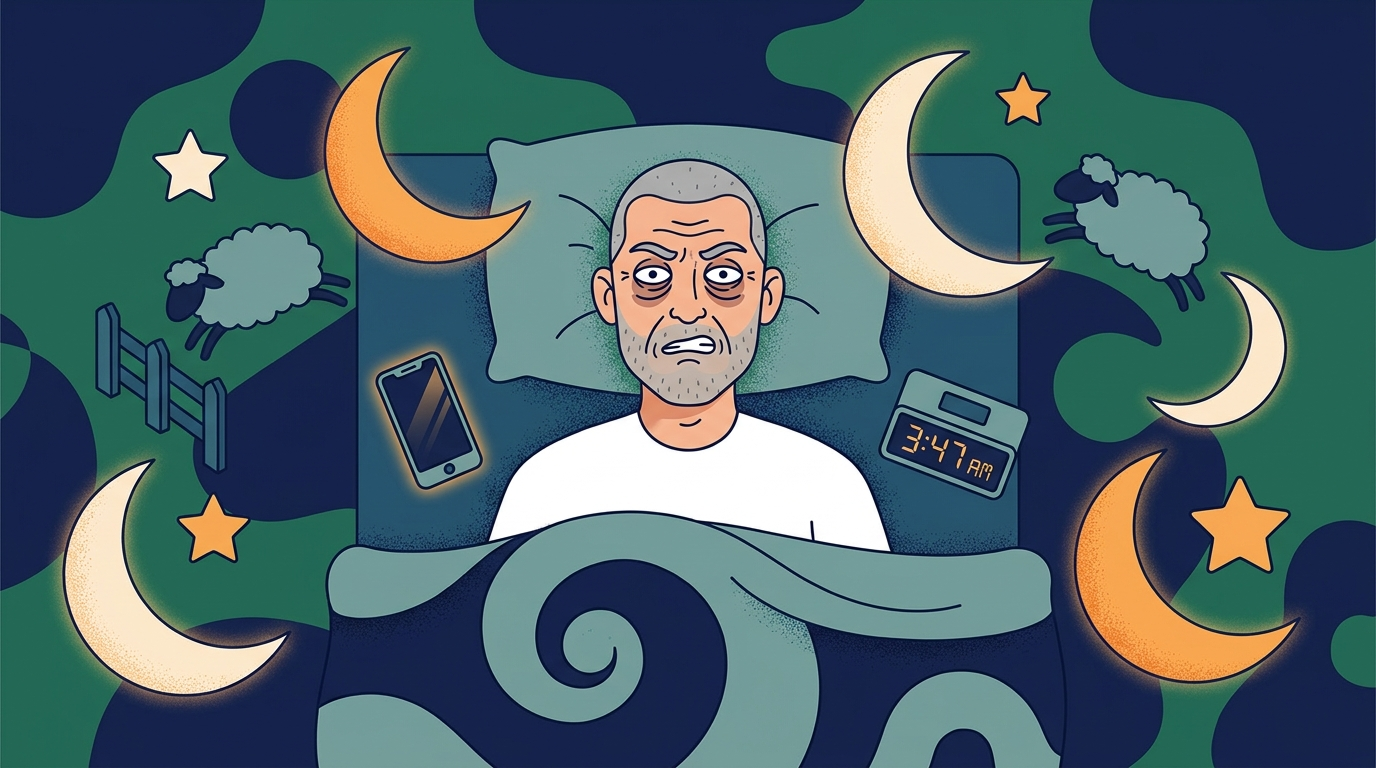
CBT for Insomnia: Why It Works Better Than Sleeping Pills for Many People
CBT for Insomnia (CBT‑I) is the recommended first‑line treatment for chronic insomnia, often outperforming sleeping pills over the long term. This guide explains how CBT‑I works, why its benefits last beyond treatment, and what a typical 4–8 session course looks like at CBT Clinic London.
Learn More
CBT Therapy for Health Anxiety: What to Expect From Treatment
Summary: Health anxiety involves persistent worry about having or developing a serious illness, often driving repeated checking, reassurance-seeking, or avoidance of anything health-related. CBT Therapy is one of the most well-evidenced treatments for it. This article walks through what treatment actually involves, from understanding the anxiety cycle to reducing safety behaviours and building tolerance for uncertainty, along with how long it typically takes and what to expect along the way.
Health anxiety, sometimes called illness anxiety, is more than the occasional worry about symptoms. It’s a persistent, often exhausting cycle of checking, researching, and reassurance-seeking that can take over daily life. The good news is that health anxiety responds particularly well to CBT Therapy (Cognitive Behavioural Therapy). Here’s what treatment actually looks like, step by step.

Common diagnostic tests ruled out—this artwork highlights the challenge of identifying illness amid overlapping symptoms and healthcare uncertainty.
What Is Health Anxiety, Exactly?
Health anxiety involves an ongoing preoccupation with having or developing a serious illness, even when medical reassurance says otherwise. It often shows up as frequent body-checking, repeated doctor visits, excessive symptom-searching online, or, in some cases, complete avoidance of anything health-related out of fear of what might be found. Unlike a one-off worry after a strange symptom, health anxiety tends to persist and often gets worse the more it’s checked or researched.
Why CBT Therapy Works for Health Anxiety
CBT Therapy is one of the most well-evidenced treatments for health anxiety because it directly targets the mechanisms that keep the cycle going: catastrophic thinking about symptoms, safety behaviours like checking or seeking reassurance, and avoidance. Rather than trying to convince you that nothing is wrong, CBT Therapy helps you understand why your mind and body respond to uncertainty the way they do, and builds practical skills to break the cycle.
What Happens in Treatment: A Step-by-Step Overview
1. Assessment and formulation. Your first sessions focus on understanding your specific pattern: what triggers the worry, what you do in response (checking, researching, avoiding), and how that response is keeping the anxiety going. Your CBT therapist will work with you to build a shared picture, often called a formulation, that maps out this cycle.
2. Psychoeducation. You’ll learn how anxiety affects the body, why normal physical sensations can feel alarming, and why checking or reassurance-seeking tends to make health anxiety worse rather than better in the long run, even though it feels helpful in the moment.
3. Identifying and challenging thought patterns. Health anxiety often involves specific thinking patterns, such as catastrophising a symptom or overestimating the likelihood of serious illness. CBT Therapy teaches you to notice these thoughts and test them against the evidence, rather than treating them as fact.
4. Reducing safety behaviours. This is often the most challenging but most effective part of treatment. Gradually cutting back on checking, googling symptoms, or seeking reassurance helps break the cycle that keeps anxiety alive, even though it can feel uncomfortable at first.
5. Graded exposure. Where avoidance has crept in, for example avoiding medical appointments, exercise, or certain body sensations, a CBT therapist will help you gradually and safely face these situations, building tolerance for uncertainty over time.
6. Relapse prevention. Toward the end of treatment, sessions focus on consolidating what you’ve learned and building a plan for managing flare-ups, since health anxiety can resurface at times of stress or uncertainty.
How Long Does Treatment Take?
CBT Therapy for health anxiety is typically a structured, time-limited treatment, often somewhere between 8 and 20 sessions depending on severity and how long the difficulty has been present. It’s considered a short-term therapy compared to some other approaches, with a clear beginning, middle, and end, and measurable goals along the way.
What to Expect Emotionally
It’s common to feel some discomfort during treatment, particularly when reducing checking behaviours or facing avoided situations. This is a normal and expected part of the process, not a sign that therapy isn’t working. A good CBT therapist will pace this gradually and won’t push you faster than you’re ready for. Many people notice a meaningful reduction in symptoms partway through treatment, well before it fully concludes.
Is CBT Therapy the Right Fit for You?
CBT Therapy tends to suit people who want a structured, practical approach with clear techniques to practise between sessions. If your health anxiety is closely tied to a specific past experience, such as a frightening diagnosis or bereavement, a CBT therapist may also draw on other approaches alongside CBT Therapy. A good first session should involve a conversation about what’s driving your anxiety and whether CBT Therapy, or a blend of approaches, is the right starting point.
Frequently Asked Questions
Is health anxiety the same as hypochondria?
“Hypochondria” is an older, informal term that’s largely been replaced by “health anxiety” or “illness anxiety disorder” in clinical settings, partly because it’s often used dismissively. Clinically, they describe the same core pattern: persistent worry about serious illness despite medical reassurance.
Will my CBT therapist tell me my symptoms definitely aren’t serious?
No, and this is actually an important part of treatment. CBT Therapy for health anxiety isn’t about reassurance, since reassurance tends to feed the cycle rather than break it. Instead, a CBT therapist will help you build tolerance for medical uncertainty itself, which is a more lasting solution than being told everything is fine.
Can health anxiety develop after a real health scare?
Yes, it’s common for health anxiety to develop or worsen after a genuine medical event, a frightening diagnosis, a health scare involving a family member, or even a period of serious illness. In these cases, a CBT therapist may draw on approaches alongside CBT Therapy to address the specific experience that triggered it.
Do I need to stop googling my symptoms completely?
Not necessarily all at once. Treatment usually involves gradually reducing symptom-searching as part of tackling safety behaviours, rather than requiring an abrupt stop. Your CBT therapist will help you approach this at a manageable pace.
Can health anxiety come back after treatment ends?
It can, particularly during stressful periods or after another health-related trigger. This is why relapse prevention is built into treatment, so you leave with a clear plan for recognising early signs and applying what you’ve learned if symptoms start to resurface.
Not Sure If This Is What You’re Experiencing?
If you’re not sure whether what you’re feeling fits health anxiety or something else, our Mental Health Symptom Compass can help you think it through. Simply describe what you’re experiencing, and it will suggest therapy directions worth exploring. Try the Symptom Compass →
About the Author
This article was written and reviewed by Alistair Bond, a Senior CBT Therapist at the CBT Clinic London. Alistair is fully accredited with the BABCP (British Association for Behavioural and Cognitive Psychotherapies) and has 25 years of experience working as a CBT therapist, including 13 years within the NHS before establishing his private practice. His clinical experience spans a wide range of anxiety, mood, and trauma-related difficulties, giving him a grounded, evidence-based perspective on what actually works in treatment.
Learn More