
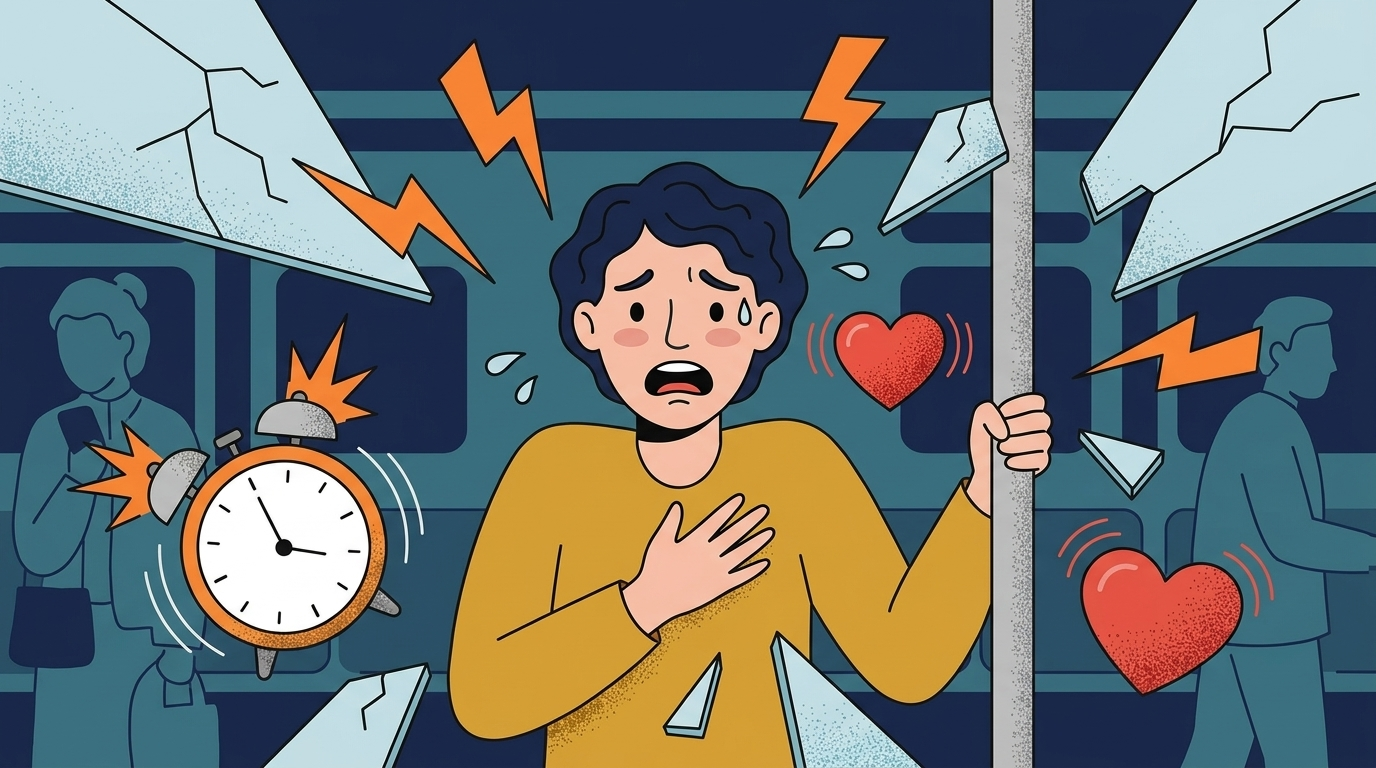
How CBT Therapy Treats Panic Disorder: A Step-by-Step Overview
Panic disorder involves recurrent, unexpected panic attacks and the fear of having more, often leading to avoidance of everyday situations. CBT Therapy is considered a first‑line treatment because it directly targets the panic cycle—misinterpreted sensations, escalating anxiety, and safety behaviours that keep the disorder going. This article explains what panic disorder is, why panic attacks feel so frightening, and how CBT Therapy helps reduce both the frequency of attacks and the fear surrounding them.
Learn More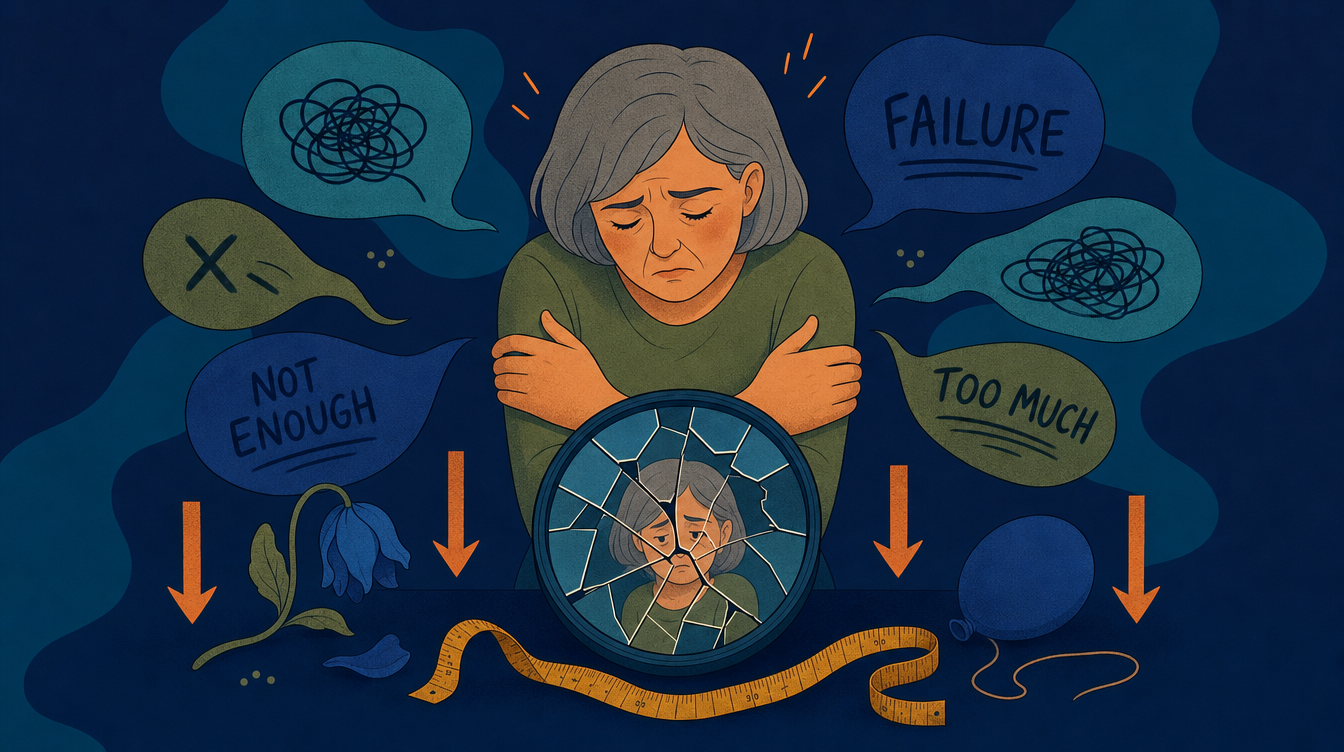
Building Self-Esteem From the Inside Out: A CBT Therapy Approach
Low self-esteem is driven by deep-rooted beliefs and patterns of self-criticism, not just “negative thinking.” This guide explains where low self-esteem comes from, how CBT Therapy works with core beliefs to build lasting self-worth, and what to expect over a typical course of treatment at CBT Clinic London.
Learn More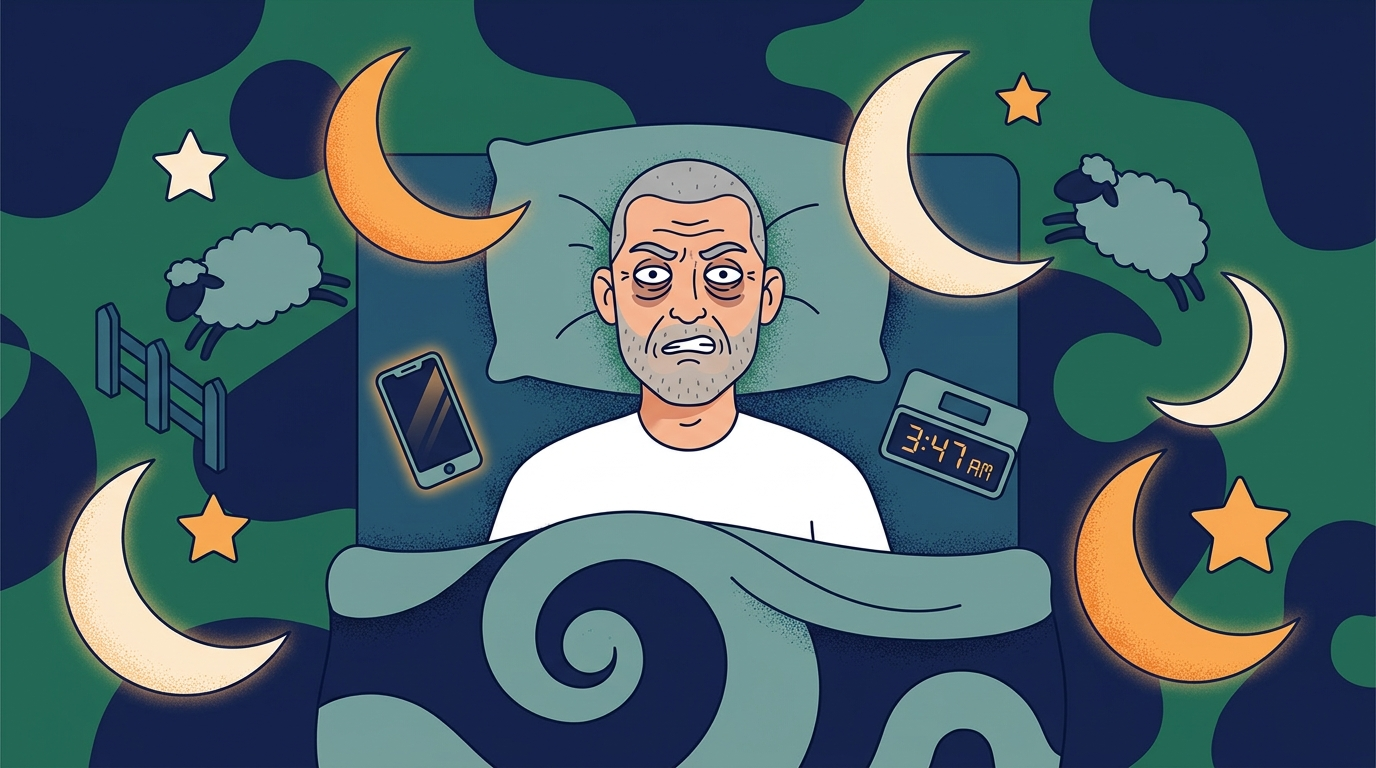
CBT for Insomnia: Why It Works Better Than Sleeping Pills for Many People
CBT for Insomnia (CBT‑I) is the recommended first‑line treatment for chronic insomnia, often outperforming sleeping pills over the long term. This guide explains how CBT‑I works, why its benefits last beyond treatment, and what a typical 4–8 session course looks like at CBT Clinic London.
Learn More
CBT Therapy for Health Anxiety: What to Expect From Treatment
Summary: Health anxiety involves persistent worry about having or developing a serious illness, often driving repeated checking, reassurance-seeking, or avoidance of anything health-related. CBT Therapy is one of the most well-evidenced treatments for it. This article walks through what treatment actually involves, from understanding the anxiety cycle to reducing safety behaviours and building tolerance for uncertainty, along with how long it typically takes and what to expect along the way.
Health anxiety, sometimes called illness anxiety, is more than the occasional worry about symptoms. It’s a persistent, often exhausting cycle of checking, researching, and reassurance-seeking that can take over daily life. The good news is that health anxiety responds particularly well to CBT Therapy (Cognitive Behavioural Therapy). Here’s what treatment actually looks like, step by step.

Common diagnostic tests ruled out—this artwork highlights the challenge of identifying illness amid overlapping symptoms and healthcare uncertainty.
What Is Health Anxiety, Exactly?
Health anxiety involves an ongoing preoccupation with having or developing a serious illness, even when medical reassurance says otherwise. It often shows up as frequent body-checking, repeated doctor visits, excessive symptom-searching online, or, in some cases, complete avoidance of anything health-related out of fear of what might be found. Unlike a one-off worry after a strange symptom, health anxiety tends to persist and often gets worse the more it’s checked or researched.
Why CBT Therapy Works for Health Anxiety
CBT Therapy is one of the most well-evidenced treatments for health anxiety because it directly targets the mechanisms that keep the cycle going: catastrophic thinking about symptoms, safety behaviours like checking or seeking reassurance, and avoidance. Rather than trying to convince you that nothing is wrong, CBT Therapy helps you understand why your mind and body respond to uncertainty the way they do, and builds practical skills to break the cycle.
What Happens in Treatment: A Step-by-Step Overview
1. Assessment and formulation. Your first sessions focus on understanding your specific pattern: what triggers the worry, what you do in response (checking, researching, avoiding), and how that response is keeping the anxiety going. Your CBT therapist will work with you to build a shared picture, often called a formulation, that maps out this cycle.
2. Psychoeducation. You’ll learn how anxiety affects the body, why normal physical sensations can feel alarming, and why checking or reassurance-seeking tends to make health anxiety worse rather than better in the long run, even though it feels helpful in the moment.
3. Identifying and challenging thought patterns. Health anxiety often involves specific thinking patterns, such as catastrophising a symptom or overestimating the likelihood of serious illness. CBT Therapy teaches you to notice these thoughts and test them against the evidence, rather than treating them as fact.
4. Reducing safety behaviours. This is often the most challenging but most effective part of treatment. Gradually cutting back on checking, googling symptoms, or seeking reassurance helps break the cycle that keeps anxiety alive, even though it can feel uncomfortable at first.
5. Graded exposure. Where avoidance has crept in, for example avoiding medical appointments, exercise, or certain body sensations, a CBT therapist will help you gradually and safely face these situations, building tolerance for uncertainty over time.
6. Relapse prevention. Toward the end of treatment, sessions focus on consolidating what you’ve learned and building a plan for managing flare-ups, since health anxiety can resurface at times of stress or uncertainty.
How Long Does Treatment Take?
CBT Therapy for health anxiety is typically a structured, time-limited treatment, often somewhere between 8 and 20 sessions depending on severity and how long the difficulty has been present. It’s considered a short-term therapy compared to some other approaches, with a clear beginning, middle, and end, and measurable goals along the way.
What to Expect Emotionally
It’s common to feel some discomfort during treatment, particularly when reducing checking behaviours or facing avoided situations. This is a normal and expected part of the process, not a sign that therapy isn’t working. A good CBT therapist will pace this gradually and won’t push you faster than you’re ready for. Many people notice a meaningful reduction in symptoms partway through treatment, well before it fully concludes.
Is CBT Therapy the Right Fit for You?
CBT Therapy tends to suit people who want a structured, practical approach with clear techniques to practise between sessions. If your health anxiety is closely tied to a specific past experience, such as a frightening diagnosis or bereavement, a CBT therapist may also draw on other approaches alongside CBT Therapy. A good first session should involve a conversation about what’s driving your anxiety and whether CBT Therapy, or a blend of approaches, is the right starting point.
Frequently Asked Questions
Is health anxiety the same as hypochondria?
“Hypochondria” is an older, informal term that’s largely been replaced by “health anxiety” or “illness anxiety disorder” in clinical settings, partly because it’s often used dismissively. Clinically, they describe the same core pattern: persistent worry about serious illness despite medical reassurance.
Will my CBT therapist tell me my symptoms definitely aren’t serious?
No, and this is actually an important part of treatment. CBT Therapy for health anxiety isn’t about reassurance, since reassurance tends to feed the cycle rather than break it. Instead, a CBT therapist will help you build tolerance for medical uncertainty itself, which is a more lasting solution than being told everything is fine.
Can health anxiety develop after a real health scare?
Yes, it’s common for health anxiety to develop or worsen after a genuine medical event, a frightening diagnosis, a health scare involving a family member, or even a period of serious illness. In these cases, a CBT therapist may draw on approaches alongside CBT Therapy to address the specific experience that triggered it.
Do I need to stop googling my symptoms completely?
Not necessarily all at once. Treatment usually involves gradually reducing symptom-searching as part of tackling safety behaviours, rather than requiring an abrupt stop. Your CBT therapist will help you approach this at a manageable pace.
Can health anxiety come back after treatment ends?
It can, particularly during stressful periods or after another health-related trigger. This is why relapse prevention is built into treatment, so you leave with a clear plan for recognising early signs and applying what you’ve learned if symptoms start to resurface.
Not Sure If This Is What You’re Experiencing?
If you’re not sure whether what you’re feeling fits health anxiety or something else, our Mental Health Symptom Compass can help you think it through. Simply describe what you’re experiencing, and it will suggest therapy directions worth exploring. Try the Symptom Compass →
About the Author
This article was written and reviewed by Alistair Bond, a Senior CBT Therapist at the CBT Clinic London. Alistair is fully accredited with the BABCP (British Association for Behavioural and Cognitive Psychotherapies) and has 25 years of experience working as a CBT therapist, including 13 years within the NHS before establishing his private practice. His clinical experience spans a wide range of anxiety, mood, and trauma-related difficulties, giving him a grounded, evidence-based perspective on what actually works in treatment.
Learn More
Does Cognitive Behavioural Therapy (CBT Therapy) and Mindfulness Help Pure O or Intrusive Thoughts?
Does CBT Therapy Cure Pure O or Intrusive Thoughts?
Does CBT Therapy Cure Pure O? In short yes, it can help a range of problems including Pure O, OCD and Intrusive thoughts. Let’s look first at what intrusive thoughts actually are.
Intrusive thoughts are unwanted and can be distressing. They might pop up at any time in your head. Even though you might be lying down in bed, cleaning the dishes, driving to work, or sitting on your sofa, these disturbing thoughts or images frequently occur in your head in an upsetting way. There is always a disturbing concern and worry about the future, regardless of whether the ideas are violent or sexual.
Even while intrusive thoughts are a well-known sign of many mental health problems, including depression, PTSD, and OCD (Obsessive-Compulsive Disorder), many people do experience them. 94% of people, according to research, have experienced intrusive thoughts at some point, but this does not necessarily indicate that a person has a mental problem.
A person with OCD will have more troubling intrusive thoughts than someone without OCD, which is what sets them apart from someone who just experiences intrusive thoughts. For instance, if a person with intrusive thoughts is alone and has the bizarre thought of punching a random person they see close by, they will likely just go about their day believing it to be an odd thought. The same intrusive idea would cause anxiety in an OCD sufferer, who would question why they were thinking about it. They are very concerned about the motivation behind their actions.
There are a few things that cause these ideas, like stress and worry. If you want to know if you have intrusive thoughts, here are some symptoms to look out for:
- There are a few things that cause these ideas, like stress and worry. If you want to know if you have intrusive thoughts, here are some symptoms to look out for:
- Your thoughts are odd and very dissimilar from what you often think.
- You are working extremely hard to get rid of your troublesome thoughts from your mind.
- You struggle to regulate your thoughts, and the more you try, the worse it becomes.
It is crucial that you see a mental health expert if you believe you are exhibiting these symptoms. Medication and talking therapy particularly Cognitive-Behavioural Therapy (CBT Therapy), are available as effective treatments.

How to Help Pure O and Intrusive Thoughts
When you are having intrusive thoughts or Pure O, there are a few things you can do for yourself:
- Recognize that your thinking is just intrusive in nature and that it differs from how you typically think or believe.
- Don’t attempt to manage the thought. Accept things as they are rather than trying to change them, and it is likely they will go away.
- Try not to criticise yourself. You may feel that you have a problem or that you are a bad person as a result of these ideas but understand that these thoughts can be normal and don’t mean that something is wrong with you.
On the other hand, there are a few things you can practice as well:
- Mindfulness meditation
- Exercise or physical activity
- Deep breathing or progressive muscle relaxation
- Reframing negative thoughts
- Writing or talking about thoughts with a trusted friend
- Engaging in hobbies or activities that bring joy
- Challenge the thought’s validity by seeking evidence
- Practice self-compassion
- Distract yourself with a new task or activity
- Cognitive Behavioural Therapy (CBT Therapy)
CBT Therapist London
This article was curated by Alistair Bond – Senior CBT Therapist in London. He is the Clinical Director of the CBT Clinic London and he specialises in treating “Pure O” and OCD.
If you or a loved one are struggling with intrusive thoughts, please get in touch with us. You call our friendly reception on 0207 157 9924, email info@cbtcliniclondon.com or simply fill out our new patient registration form and we’ll get back to you.
We offer CBT Therapy either Online or Face to Face in our London Clinic. We also offer the option to combine both to suit your lifestyle and preference.
*We thank Sue (name has been changed) for her kindness and generosity in sharing her success story to help and inspire others.
Learn More
Are you suffering with Intrusive Distressing Thoughts or Pure O? Here is a guide to help you?
What are Intrusive Thoughts?
Intrusive thoughts are unwanted, distressing thoughts that occur in people’s minds and repeat or worsen over time. Intrusive thoughts can often be disturbing, causing anxiety and fear. It is very common to have them when around or about loved ones. People often have intrusive thoughts about violence or sexual acts, which can keep people stuck in a vicious cycle. Intrusive thoughts are sudden and stressful. They can “come out of nowhere”. Almost always the thoughts are in direct contrast to people’s value systems and what they really want to be thinking about.
Intrusive thoughts can be mistaken for Obsessive Compulsive Disorder (OCD). OCD can cause intrusive thoughts but following a Programme of OCD targeted CBT Therapy can really help.
Of course, people without OCD can suffer from intrusive thoughts that do not disappear quickly. These thoughts can have lasting detrimental psychological effects usually due to their upsetting and distressing nature.
Are Intrusive Thoughts Normal?
Invasive thoughts are normal. Everyone has random, intrusive thoughts that have no bearing on what they’re doing or thinking. However, persistent, anxiety-inducing negative intrusive thoughts can be distressing and may affect your health and happiness. Seeking professional help will help.
What are the Most Common Intrusive Thoughts?
Intrusions do vary. Some people have disturbing thoughts about hurting themselves, while others worry about hurting others. Intrusive thoughts can hinder happiness, health, and fulfilment. They can cause severe stress, anxiety, and create career disruption if left untreated.
Some of the most common intrusive thoughts:
- Thoughts about hurting yourself, others, or violent scenarios
- Sexual acts or distressing sexual situations (like being attracted to children, family members, or rape)
- Your relationship (overanalysing innocent behaviour, paranoia about infidelity, finding faults in your partner)
- Religion
- Poisoning
- Self-criticism
- Sexuality

Pure O Specialists at the CBT Clinic London
Our specialists have decades of experience diagnosing and treating intrusive thoughts in top UK and international institutions. We know that the right treatment combination can transform lives, so our experts stay up to date on the latest psychological developments to provide you with the best care.
These are some of the most common intrusive thoughts, but the brain is a complex think tank, so you may have intrusive thoughts about personal events and situations that are not listed here. If you want to discuss any aspect of your intrusions please contact us here.
How are Intrusive Thoughts Treated?
Cognitive Behavioural Therapy (CBT Therapy), Mindfulness Meditation and Medication can all be used to treat intrusive thoughts. We’ll tailor a plan to your circumstances, medical history, and underlying conditions to help you live a balanced life free of intrusions.
The CBT Clinic London understands intrusive thoughts and can help. After assessing your symptoms, medical history, and frequency and duration, we can diagnose intrusive thoughts and help you live without them.
Schedule an appointment today to learn how you can master your intrusive thoughts. Your consultation will reveal your diagnosis and a customised treatment plan.
Book online with our intrusive thoughts treatment specialists. Register via our new patient form.
Online intrusive thoughts evaluation and diagnosis.
Prefer flexible payments? We offer payment plans.
How does The CBT Clinic London Treat Intrusive Thoughts?
The CBT Clinic London treats intrusive thoughts holistically. We’ll customise a treatment plan using Cognitive Behavioural Therapy (CBT Therapy), Mindfulness Meditation and Medication (when indicated).
We will first conduct a thorough assessment to determine the cause of your invasive thoughts. After a professional diagnosis, we will create a customised treatment plan to ensure the best therapeutic results. Medication may be part of your treatment.
Intrusive thoughts can make you feel out of control, so a good treatment plan can change your life.
What is the process?
1 -We start with a professional intrusive thoughts diagnosis and a personalised assessment report, which you can share with your GP, to ensure a perfect treatment plan.
2. – Our specialists will tailor a treatment plan to your therapy and medication needs. We know the benefits of each treatment and medication and can explain them to you during your appointment.
3. – We recommend follow-up appointments to review progress, discuss concerns and adjust medication doses to help intrusive thought patients recover.
Intrusive Thought Treatment London
After our thorough assessment and intrusive thoughts diagnosis, you’ll receive a tailored, balanced treatment plan to manage your symptoms and reduce the condition’s impact on your life.
Learn More