
Social Anxiety vs Shyness: How to Tell the Difference and When to Get Help
Summary: Shyness and social anxiety disorder can look similar but aren’t the same thing. Shyness is a personality trait involving mild nervousness that tends to ease with familiarity, while social anxiety is a diagnosable condition involving intense, persistent fear and avoidance that can interfere with daily life. This article explains the key differences, when it’s worth seeking help, and how CBT can treat social anxiety effectively.
“I’m just shy” is one of the most common things people say to explain away what might actually be social anxiety. The two can look similar from the outside, a bit of quietness in a group, some nerves before speaking up, but they’re not the same thing, and the difference matters when it comes to deciding whether you need support.
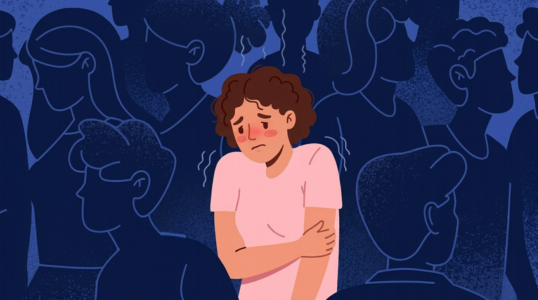
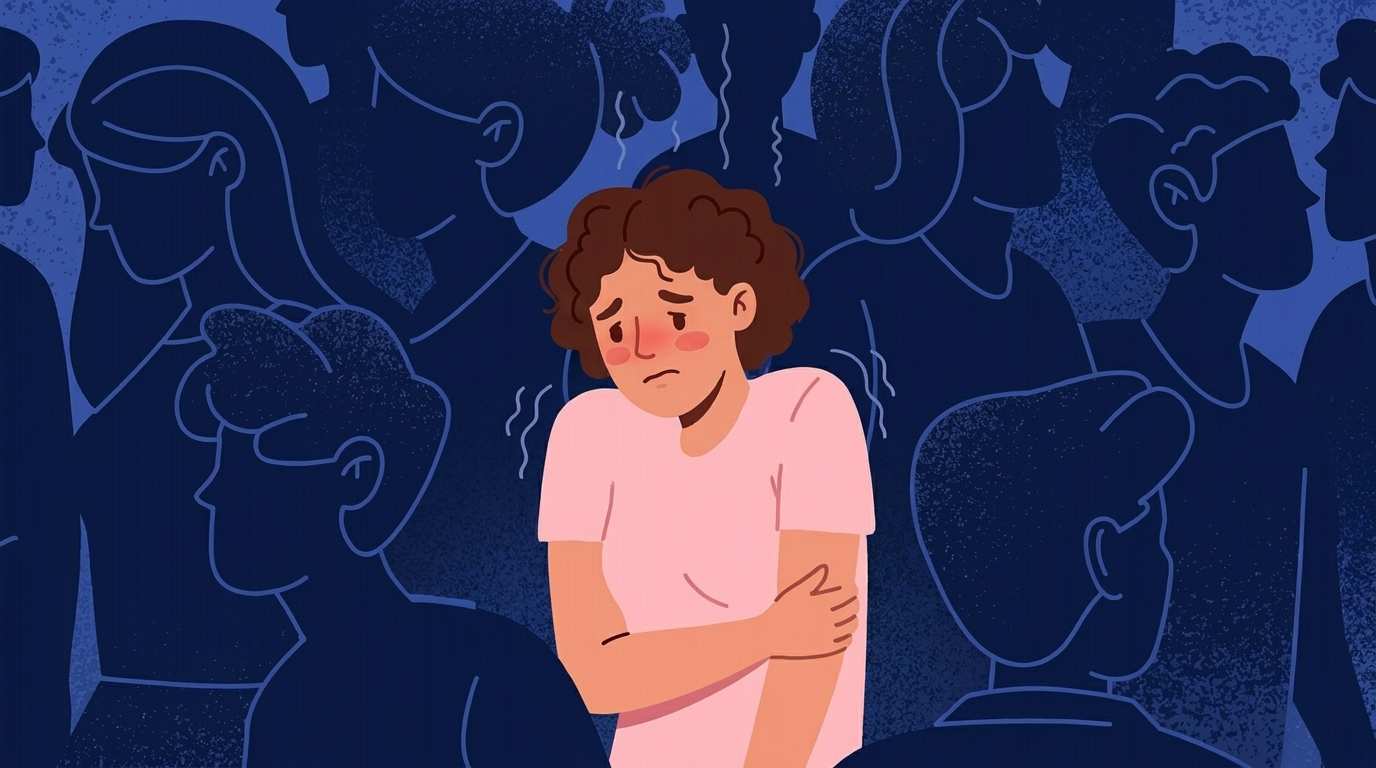
Visual of a person standing apart in a crowd, symbolizing social anxiety
What Shyness Actually Looks Like
Shyness is a personality trait, not a disorder. It describes a tendency to feel a bit nervous or reserved in unfamiliar social situations, particularly early on. Shy people often warm up once they feel comfortable, and while they might prefer smaller gatherings or need a little time to open up, shyness doesn’t typically stop someone from living the life they want. It’s uncomfortable at times, but it isn’t distressing in a lasting or disruptive way.
What Social Anxiety Actually Looks Like
Social anxiety disorder (sometimes called social phobia) is a diagnosable condition involving an intense, persistent fear of being judged, embarrassed, or scrutinised by others. It goes well beyond nerves. It often involves a strong physical response, such as a racing heart, sweating, blushing, or nausea, before or during social situations, along with a powerful urge to avoid them altogether. Unlike shyness, social anxiety doesn’t tend to ease once someone becomes familiar with a situation. The fear can remain intense even around people the person knows well, and it frequently interferes with work, relationships, education, or everyday tasks like making a phone call or eating in front of others.
Key Differences to Look Out For
- Intensity of fear. Shyness involves mild to moderate nervousness. Social anxiety involves a fear that can feel overwhelming or disproportionate to the situation.
- Physical symptoms. Shyness might bring mild self-consciousness. Social anxiety often triggers a strong physical stress response, similar to a panic attack, before or during social contact.
- Avoidance. A shy person might hesitate before joining a conversation. Someone with social anxiety may actively cancel plans, avoid meetings, or turn down opportunities to prevent the anxiety altogether.
- Impact on daily life. Shyness rarely gets in the way of major life decisions. Social anxiety can influence career choices, relationships, and everyday activities, sometimes significantly narrowing someone’s world.
- Duration and consistency. Shyness often fades as familiarity grows. Social anxiety tends to persist across situations and over time, regardless of how well someone knows the people involved.
Why the Distinction Gets Missed
Because “shy” is such a familiar, non-clinical word, it’s often used as a catch-all explanation, both by the person experiencing it and by people around them. This can delay someone from recognising that what they’re dealing with might be a treatable condition rather than just a personality quirk. It’s also common for social anxiety to develop gradually, so a person may not notice how much their world has narrowed until avoidance has become deeply ingrained.
When to Consider Getting Help
It may be worth speaking to a professional if:
- Social situations cause fear that feels out of proportion to what’s actually happening
- You regularly avoid situations, opportunities, or relationships because of anxiety
- You experience strong physical symptoms (racing heart, sweating, nausea) around social contact
- The fear hasn’t eased with familiarity, even with people you’ve known a long time
- Anxiety is affecting your work, education, or relationships
How CBT Can Help With Social Anxiety
Social anxiety disorder is one of the conditions CBT is most effective at treating. Therapy typically focuses on identifying and challenging the specific fears that drive social avoidance (such as fear of appearing awkward or being judged), reducing safety behaviours like avoiding eye contact or rehearsing conversations excessively, and gradually building confidence in social situations through structured, manageable steps. Unlike shyness, which often doesn’t need treatment at all, social anxiety tends to respond well to a clear, evidence-based approach.
Frequently Asked Questions
Can shyness turn into social anxiety over time?
Shyness itself doesn’t automatically become social anxiety, but a shy person can go on to develop social anxiety disorder, particularly after a distressing social experience such as being humiliated or bullied. The key sign to watch for is a shift from mild discomfort into a persistent, intense fear that starts driving avoidance.
Is it possible to have social anxiety without realising it?
Yes. Because avoidance often builds up gradually, many people adjust their lives around it without recognising the pattern, for example, consistently choosing jobs with little public contact, or quietly avoiding gatherings, and putting it down to “just preferring quiet” rather than anxiety.
Do children grow out of social anxiety the way they might grow out of shyness?
Shyness in children often does ease naturally as they gain social experience and confidence. Social anxiety disorder is less likely to simply resolve on its own and, left untreated, can persist into adulthood, so it’s worth seeking an assessment if a child’s fear seems intense, persistent, and is affecting school or friendships.
How is social anxiety diagnosed?
There’s no single test. A qualified professional will typically assess the intensity, consistency, and impact of your social fears through a clinical conversation, often using standard questionnaires alongside discussion, to distinguish social anxiety disorder from shyness or other conditions with overlapping symptoms.
Not Sure Which One You’re Experiencing?
If you’re finding it hard to tell whether what you’re feeling is shyness or something more, our Mental Health Symptom Compass can help you think it through. Simply describe what you’re experiencing, and it will suggest therapy directions worth exploring. Try the Symptom Compass →
Related Posts
Social Anxiety vs Shyness: How to Tell the Difference and When to Get Help
Shyness and social anxiety may look alike, but they’re not the same. Shyness is a...

How Common Are Panic Attacks?
How Common Are Panic Attacks? It may surprise you to learn that the NHS...