
How CBT Therapy Treats Panic Disorder: A Step-by-Step Overview
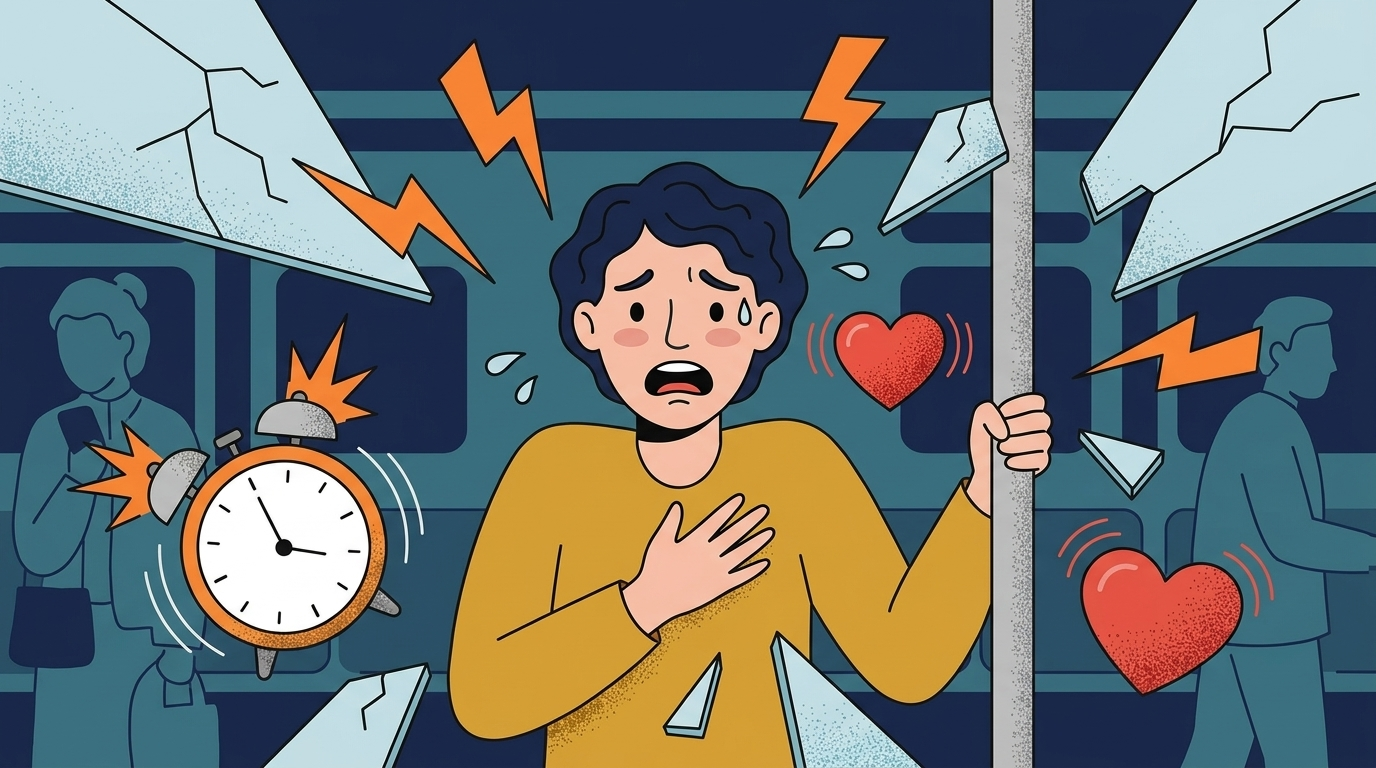
A panic attack can feel like a medical emergency. Racing heart, breathlessness, chest tightness, dizziness, a sense of losing control or dying, it’s no surprise many people end up in an A&E department the first time it happens. When these episodes become recurring and start to shape daily life, this is known as panic disorder, and it’s one of the conditions CBT Therapy is most effective at treating. Here’s a step-by-step look at how that treatment actually works.
When time feels tight and emotions collide, the body can go into alarm mode fast. For those with panic disorder, this rush of fear can feel sudden and intense — learning to slow the internal pace is part of regaining control.
What Is Panic Disorder?
Panic disorder involves recurrent, unexpected panic attacks, along with persistent worry about having another one, or significant changes in behaviour to avoid triggering one. Over time, many people begin avoiding situations they associate with past attacks, such as crowded spaces, public transport, or being far from home, which can gradually shrink their world. This avoidance is understandable, but it also tends to keep the disorder going.
Why CBT Therapy Is Considered a First-Line Treatment
CBT Therapy for panic disorder targets the specific cycle that keeps panic attacks recurring: a physical sensation is misinterpreted as dangerous, this triggers anxiety, anxiety produces more physical sensations, and the cycle escalates into a full panic attack. By working directly on this cycle, rather than just the individual attacks, CBT Therapy helps reduce both the frequency and intensity of episodes, and importantly, reduces the fear of the fear itself.
What Happens in Treatment: A Step-by-Step Overview
1. Assessment and formulation. Your CBT therapist will explore when your panic attacks started, what tends to trigger them, and how you’ve been responding, whether through avoidance, carrying safety items, or relying on someone else being present. Together you’ll map out your specific panic cycle.
2. Psychoeducation on the panic cycle. A key early step is understanding what’s actually happening in your body during a panic attack, and why it feels dangerous even though it isn’t. Learning that panic attacks are frightening but not medically harmful is often, in itself, a powerful part of treatment.
3. Identifying catastrophic misinterpretations. Panic disorder often involves specific fears, such as believing a racing heart means a heart attack, or dizziness means fainting or losing control. CBT Therapy helps you notice these interpretations in the moment and test them against what’s actually happening.
4. Interoceptive exposure. This is a technique unique to panic treatment: deliberately and safely bringing on the physical sensations of panic (for example through controlled breathing exercises or spinning) in a controlled setting, to teach your brain that these sensations, while uncomfortable, aren’t dangerous.
5. Reducing safety behaviours and avoidance. Carrying water bottles “just in case,” always sitting near an exit, or avoiding certain places all reinforce the belief that panic is dangerous. Treatment gradually reduces these behaviours so you can rebuild confidence in situations you’ve been avoiding.
6. Graded exposure to avoided situations. Where avoidance has built up, such as avoiding public transport or crowded places, a CBT therapist will help you approach these situations gradually and in a structured way, building tolerance step by step rather than all at once.
7. Relapse prevention. Toward the end of treatment, you’ll consolidate what you’ve learned and build a personal plan for managing any future panic symptoms, since stress or major life changes can sometimes bring on a flare-up even after successful treatment.
How Long Does Treatment Take?
CBT Therapy for panic disorder is typically short-term and structured, often between 8 and 15 sessions. Many people notice a reduction in the frequency or intensity of attacks well before treatment concludes, though the exposure-based work, facing avoided situations, tends to take sustained practice to feel lasting benefit.
What to Expect Emotionally
Deliberately bringing on panic-like sensations, or approaching avoided situations, understandably feels counterintuitive at first. Most people find this part of treatment uncomfortable initially. A good CBT therapist paces this carefully, working collaboratively with you rather than pushing faster than you’re ready for, and explains the rationale behind each step so it never feels arbitrary.
Is CBT Therapy the Right Fit for You?
CBT Therapy tends to suit people who want a structured, active approach with clear techniques to practise both in and between sessions. If your panic attacks are closely linked to a specific past event or trauma, a CBT therapist may incorporate other approaches alongside CBT Therapy. A good first session should involve discussing your specific pattern of panic and agreeing together on the right starting point for treatment.
Not Sure If This Is What You’re Experiencing?
If you’re not sure whether what you’re feeling fits panic disorder or something else, our Mental Health Symptom Compass can help you think it through. Simply describe what you’re experiencing, and it will suggest therapy directions worth exploring. Try the Symptom Compass →
About the Author
This article was written and reviewed by Alistair Bond, a Senior CBT Therapist at the CBT Clinic London. Alistair is fully accredited with the BABCP (British Association for Behavioural and Cognitive Psychotherapies) and has 25 years of experience working as a CBT therapist, including 13 years within the NHS before establishing his private practice. His clinical experience spans a wide range of anxiety, mood, and trauma-related difficulties, giving him a grounded, evidence-based perspective on what actually works in treatment.
Related Posts
Chronic Pain
Chronic Pain: The International Association for the Study of Pain (IASP) defines...

20 Things That Make Intrusive Thoughts Worse
CBT Therapy and Intrusive Thoughts We've spent a look of time recently...

Getting Some Perspective on Your Life
The funny things about us human beings is that we are literally spinning...