
CBT Therapy for Phobia
Effective Treatment For: Specific Phobia
SPECIFIC PHOBIA:
A specific phobia is excessive and persistent fear of a specific object, situation or activity that is generally not harmful. Patients know their fear is excessive, but they can’t overcome it. These fears cause such distress that some people go to extreme lengths to avoid what they fear. Examples are fear of flying or fear of spiders.
Are you suffering from Anxiety? Take our Online Anxiety Assessment and make the first step towards recovery.
Patient Quote
“Before I had CBT Therapy I was so anxious as I just couldn’t stop worrying about my children. It was causing problems for me and them. I was texting them all the time to see if they were safe. Thanks to the CBT Therapy I learned to manage my worry and worry less. Things are so much better now for me and my kids. I’m so much less anxious and my children are free again to live their lives.”
Sue, IT Manager
A specific phobia is an intense, lasting fear of a particular object, animal, place or situation. Common examples include:
- animals, such as spiders, dogs, birds or insects
- the natural environment, such as heights, water or storms
- blood, injections or medical procedures
- situations, such as flying, lifts, tunnels, driving or enclosed spaces
- other fears, such as vomiting, choking or loud noises
When you come across what you fear, or even think about it, you may notice:
- a racing heart, sweating, trembling or shortness of breath
- feeling sick, dizzy or faint (fainting is most common with blood and needle phobias)
- a strong urge to escape
- a sense of panic or dread, even though you may know the fear is out of proportion
Many people go to great lengths to avoid what they fear. Over time, this can limit where you go and what you do, such as avoiding holidays because of flying, or putting off medical care because of needles.
There is usually no single cause. A phobia can develop from:
- A frightening experience. For example, being bitten by a dog or having a difficult flight.
- Learning from others. Seeing a parent or someone close to you react with fear, or hearing frightening stories.
- Natural tendencies. Humans are prepared to fear some things, such as heights or snakes, and some people are more sensitive to anxiety in general.
Many phobias begin in childhood, but they can start at any age. Some people cannot remember how their phobia began.
Whatever the cause, phobias are kept going by avoidance. Each time you avoid or escape what you fear, you feel relief, but you never get the chance to learn that you could cope, or that the danger was smaller than you thought.
CBT Therapy that includes exposure is the most effective and well-researched treatment for specific phobias. Many people see a big improvement within a fairly short course of treatment.
With your CBT Therapist, you build a step-by-step plan to face your fear gradually, starting with something manageable and moving up at a pace you agree to. You are always in control. Along the way, you test out your fearful predictions and learn that your anxiety rises, peaks and then falls on its own.
Medication is not usually recommended as the main treatment for specific phobias, although a GP may sometimes suggest short-term medication for a one-off situation.
1
Understanding your fear
Identifying what you predict will happen and how avoidance keeps the fear going.
2
Graded exposure
Facing your fear step by step, using a “fear ladder” you design with your CBT Therapist.
3
Dropping safety behaviours
Letting go of the small things you do to feel safe, so you learn you can cope without them.
In CBT Therapy, we understand a phobia as a cycle:
- Trigger. You see, or think about, the thing you fear.
- Threat prediction. A thought such as “It will hurt me” or “I will lose control” flashes through your mind.
- Fear. Your body reacts with a racing heart, sweating or shaking.
- Avoidance or escape. You get away, avoid it or use a safety behaviour, and the fear drops.
- The fear is kept going. Because you escaped, the prediction is never tested, so the fear is just as strong next time.
Treatment breaks this cycle by helping you face the trigger safely, test your predictions and discover that you can cope.
Specific phobia is diagnosed using the international classification ICD-11. In brief, a diagnosis may be made when:
- there is marked and excessive fear or anxiety that consistently happens when faced with, or expecting, a specific object or situation
- the fear is out of proportion to the actual danger
- the object or situation is avoided, or endured with intense fear or anxiety
- the symptoms last for at least several months and cause significant distress or difficulty in daily life
Only a qualified health professional can make a diagnosis. If you recognise yourself in this description, a consultation with a CBT Therapist is a good first step.
Book a Free Consultation with a CBT Therapist in London:
We have facilitated the successful recovery of many people who suffer from Specific Phobia.
If you would like help with Specific Phobia then book a free 15-minute consultation over Zoom with a CBT Therapist.
CBT Therapist London
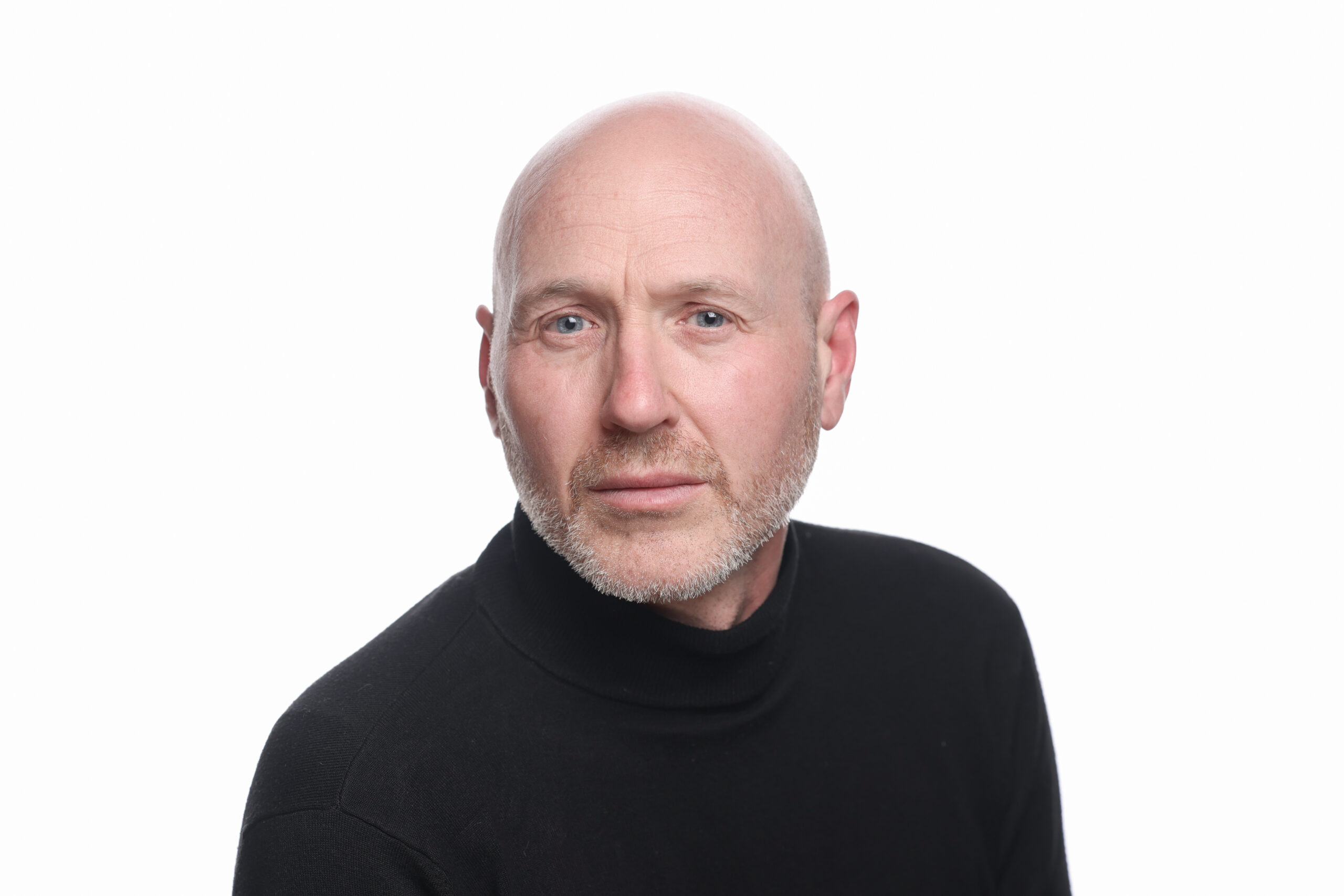
This article was curated by Alistair Bond – Senior CBT Therapist in London. He is the Clinical Director of the CBT Clinic London and he specialises in treating Specific Phobia with CBT Therapy.
If you or a loved one are struggling with Specific Phobia, please get in touch with us. You can call our friendly reception team on 0207 157 9924, email info@cbtcliniclondon.com or simply fill out our new patient registration form and we’ll get back to you.
Online or Face to Face CBT Therapy?
We offer CBT Therapy either Online or Face to Face in our London Clinic. We also offer the option to combine both to suit your lifestyle and preference.
CBT Therapy for OCD
CBT Therapy for Panic Attacks
CBT Therapy for Intrusive Thoughts
CBT Therapy for Depression
CBT Therapy for Anger
CBT Therapy for Health Anxiety
CBT Therapy for Social Anxiety
CBT Therapy for Trauma (PTSD)
CBT Therapy for Fear of Flying
CBT Therapy for Worry
CBT Therapy for Insomnia