
CBT Therapy for OCD in London
Effective Treatment For: OCD
At CBT Clinic London, our CBT Therapists provide CBT Therapy for OCD in London, face to face at our Canary Wharf clinic or online over Zoom. Treatment includes Exposure and Response Prevention (ERP), the form of CBT Therapy recommended by NICE for OCD.
OCD:
Obsessive-compulsive disorder (OCD) is a mental health condition in which people have recurring, unwanted thoughts, ideas or sensations (obsessions) that make them feel driven to do something repetitively (compulsions). The repetitive behaviours, such as hand washing, checking on things or cleaning, can significantly interfere with a person’s daily activities and social interactions.
Many people have focused thoughts or repeated behaviours. But these do not disrupt daily life and may add structure or make tasks easier. For people with OCD, thoughts are persistent and unwanted routines and behaviours are rigid and not doing them causes great distress. Many people with OCD know or suspect their obsessions are not true; others may think they could be true (known as poor insight). Even if they know their obsessions are not true, people with OCD have a hard time keeping their focus off the obsessions or stopping the compulsive actions.
OBSESSIVE COMPULSIVE DISORDER (OCD)
What is OCD?
Obsessive-compulsive disorder (OCD) has two main parts: obsessions and compulsions.
- Obsessions are unwelcome thoughts, images, urges, worries or doubts that repeatedly appear in your mind. They can make you feel very anxious (although some people describe it as ‘mental discomfort’ rather than anxiety).
- Compulsions are repetitive activities that you do to reduce the anxiety caused by the obsession. It could be something like repeatedly checking a door is locked, repeating a specific phrase in your head, or checking how your body feels.
[Mind]
If you experience OCD, it’s likely that your obsessions and compulsions will have a big impact on how you live your life:
- Disruption to your day-to-day life. Repeating compulsions can take up a lot of time, and you might avoid certain situations that trigger your OCD. This can mean that you’re not able to go to work, see family and friends, eat out or even go outside. Obsessive thoughts can make it hard to concentrate and leave you feeling exhausted.
- Impact on your relationships. You may feel that you must hide your OCD from people close to you – or your doubts and anxieties about a relationship may make it too difficult to continue.
- Feeling ashamed or lonely. You may feel ashamed of your obsessive thoughts or worry that they can’t be treated. You might want to hide this part of you from other people and find it hard to be around people or to go outside. This can make you feel isolated and lonely.
- Feeling anxious. You may find that your obsessions and compulsions are making you feel anxious and stressed. For example, some people feel that they must carry out their compulsions so frequently that they have little control over them.
[Mind]
OCD affects around 1 in 50 people in the UK. It affects both men and women equally.
[Rethink Mental Illness]
Are you suffering from Anxiety? Take our Online Anxiety Assessment and make the first step towards recovery.
Patient Quote
“Before I had CBT Therapy I was so anxious as I just couldn’t stop worrying about my children. It was causing problems for me and them. I was texting them all the time to see if they were safe. Thanks to the CBT Therapy I learned to manage my worry and worry less. Things are so much better now for me and my kids. I’m so much less anxious and my children are free again to live their lives.”
Sue, IT Manager
OCD has two main parts: obsessions and compulsions. Most people with OCD have both.
Obsessions are unwanted thoughts, images, urges or doubts that keep coming back and cause a lot of anxiety or discomfort. Common examples include:
- fears about germs, dirt or contamination
- worrying that you have left something unlocked, switched on or undone
- fears of causing harm to yourself or others, even though you have no wish to
- unwanted sexual or religious thoughts
- a strong need for things to feel “just right”, symmetrical or in order
Compulsions are things you feel driven to do to reduce the anxiety or stop something bad happening. Some can be seen by others; others happen silently in your head:
- washing, cleaning or checking over and over
- repeating actions until they feel right
- counting, praying or repeating words in your head
- seeking reassurance from others
- avoiding people, places or objects that trigger your thoughts
Compulsions bring short-term relief, but the obsessions soon return, often stronger. OCD can take up a great deal of time each day and affect work, relationships and family life. Many people feel ashamed of their thoughts and keep them hidden, sometimes for years.
There is no single cause of OCD. It is thought to develop from a mix of factors:
- Family history. OCD is more common in people who have a close relative with the condition.
- Life events. OCD can start or get worse after a stressful period, such as a bereavement, the birth of a child or a big change at work.
- Personality and beliefs. People who have a strong sense of responsibility, high standards or find uncertainty very hard to tolerate may be more likely to develop OCD.
- Brain differences. Research suggests differences in how some brain areas communicate, although these are not fully understood.
Whatever starts OCD, it is kept going by the same cycle: a thought triggers anxiety, a compulsion brings relief, and the relief teaches the brain that the thought was dangerous and the compulsion was necessary. CBT Therapy works by breaking this cycle.
The National Institute for Health and Care Excellence (NICE) recommends CBT Therapy that includes Exposure and Response Prevention (ERP) as the main psychological treatment for OCD.
In ERP, you and your CBT Therapist build a plan to face the situations and thoughts you fear, step by step, without carrying out your usual compulsions. This is always done gradually and at a pace you agree to. Over time, your anxiety reduces on its own, and you learn that you can cope without the compulsions.
Medication, usually a type of antidepressant called an SSRI, can also help, particularly when OCD is more severe. Some people benefit from a combination of CBT Therapy and medication. Your GP or psychiatrist can advise on medication.
1
Understanding the OCD cycle
Mapping how your thoughts, anxiety and compulsions keep each other going.
2
Changing the meaning of thoughts
Learning that intrusive thoughts are normal and do not say anything about who you are or what you will do.
3
Exposure and Response Prevention
Gradually facing your fears and dropping compulsions and reassurance seeking.

OCD is diagnosed using the international classification ICD-11. In brief, a diagnosis may be made when:
- a person has obsessions, compulsions, or both
- these are time-consuming (for example, taking up more than an hour a day), or cause significant distress or difficulty in daily life
- the symptoms are not better explained by another condition, a medication or a substance
Only a qualified health professional can make a diagnosis. If you recognise yourself in this description, a consultation with a CBT Therapist is a good first step.
Book a Free Consultation with a CBT Therapist in London:
We have facilitated the successful recovery of many people who suffer from OCD.
If you would like help with OCD then book a free 15-minute consultation over Zoom with a CBT Therapist.
CBT Therapist London
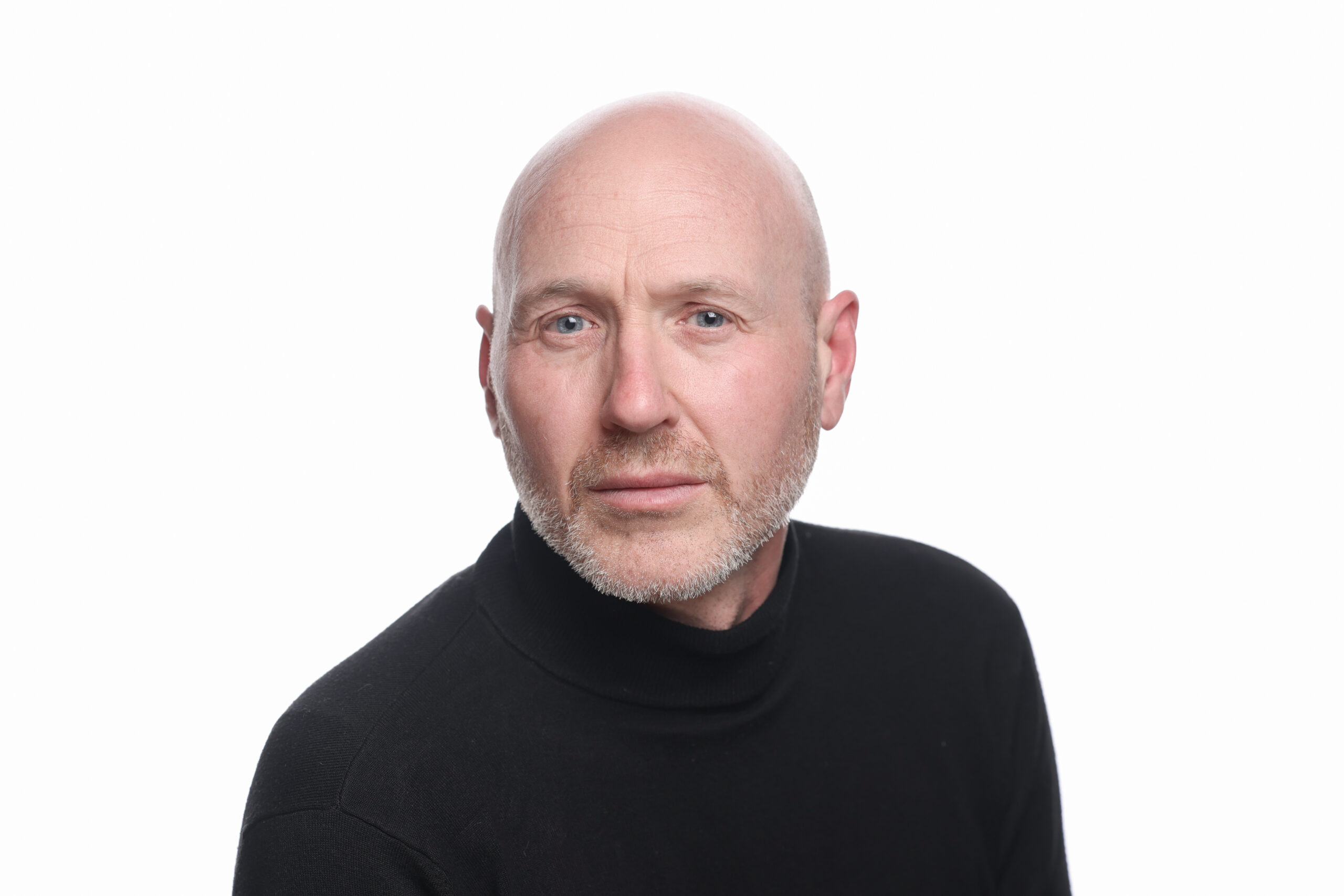
This article was curated by Alistair Bond – Senior CBT Therapist in London. He is the Clinical Director of the CBT Clinic London and he specialises in treating OCD with CBT Therapy.
If you or a loved one are struggling with OCD, please get in touch with us. You can call our friendly reception team on 0207 157 9924, email info@cbtcliniclondon.com or simply fill out our new patient registration form and we’ll get back to you.
Online or Face to Face CBT Therapy?
We offer CBT Therapy either Online or Face to Face in our London Clinic. We also offer the option to combine both to suit your lifestyle and preference.