CBT Therapy for Trauma and PTSD (Post Traumatic Stress Disorder)
Highly Effective Treatment For PTSD/ Trauma
What Is Post Traumatic Stress Disorder or PTSD?
Post Traumatic stress disorder (PTSD) is a psychiatric disorder that can occur in people who have experienced or witnessed a traumatic event such as a natural disaster, a serious accident, a terrorist act, war/combat, rape or other violent personal assault.
PTSD has been known by many names in the past, such as “shell shock” during the years of World War I and “combat fatigue” after World War II. But PTSD does not just happen to combat veterans. PTSD can occur in all people, in people of any ethnicity, nationality or culture, and any age. In England, around 1 in 20 adults (5.7%) screened positive for PTSD in the most recent Adult Psychiatric Morbidity Survey (2023/4), up from 4.4% in 2014. Women (6.1%) were more likely than men (5.0%) to screen positive, and rates were highest among younger adults. A positive screen means someone has enough symptoms to need further assessment; only a qualified professional can diagnose PTSD.
People with PTSD have intense, disturbing thoughts and feelings related to their experience that last long after the traumatic event has ended. They may relive the event through flashbacks or nightmares; they may feel sadness, fear or anger; and they may feel detached or estranged from other people. People with PTSD may avoid situations or people that remind them of the traumatic event, and they may have strong negative reactions to something as ordinary as a loud noise or an accidental touch.
A diagnosis of PTSD requires exposure to an upsetting traumatic event. However, exposure could be indirect rather than first hand. For example, PTSD could occur in an individual learning about the violent death of a close family. It can also occur as a result of repeated exposure to horrible details of trauma such as police officers exposed to details of child abuse cases.
- Symptoms and Diagnosis
Symptoms and Diagnosis
Symptoms of PTSD fall into four categories. Specific symptoms can vary in severity.
- Intrusive thoughts such as repeated, involuntary memories; distressing dreams; or flashbacks of the traumatic event. Flashbacks may be so vivid that people feel they are re-living the traumatic experience or seeing it before their eyes.
- Avoiding reminders of the traumatic event may include avoiding people, places, activities, objects and situations that bring on distressing memories. People may try to avoid remembering or thinking about the traumatic event. They may resist talking about what happened or how they feel about it.
- Negative thoughts and feelings may include ongoing and distorted beliefs about oneself or others (e.g., “I am bad,” “No one can be trusted”); ongoing fear, horror, anger, guilt or shame; much less interest in activities previously enjoyed; or feeling detached or estranged from others.
- Arousal and reactive symptoms may include being irritable and having angry outbursts; behaving recklessly or in a self-destructive way; being easily startled; or having problems concentrating or sleeping.
Many people who are exposed to a traumatic event experience symptoms like those described above in the days following the event. For a person to be diagnosed with PTSD, however, symptoms last for more than a month and often persist for months and sometimes years. Many individuals develop symptoms within three months of the trauma, but symptoms may appear later. For people with PTSD the symptoms cause significant distress or problems functioning. PTSD often occurs with other related conditions, such as depression, substance use, memory problems and other physical and mental health problems.
(See information on Acute Stress Disorder below.)
- Treatment
Related Conditions
Acute Stress Disorder
Acute stress disorder occurs in reaction to a traumatic event, just as PTSD does, and the symptoms are similar. However, the symptoms occur between three days and one month after the event. People with acute stress disorder may relive the trauma, have flashbacks or nightmares and may feel numb or detached from themselves. These symptoms cause major distress and cause problems in their daily lives. About half of people with acute stress disorder go on to have PTSD.
An estimated 13 to 21 percent of survivors of car accidents develop acute stress disorder and between 20 and 50 percent of survivors of assault, rape or mass shootings develop it.
Psychotherapy, including cognitive behaviour therapy can help control symptoms and help prevent them from getting worse and developing into PTSD. Medication, such as SSRI antidepressants can help ease the symptoms.
*From Diagnostic and Statistical Manual of Mental Disorders, (DSM-5) American Psychiatric Publishing, 2013
Patient Quote
“I am so grateful to you. My nightmare’s have gone and the flashbacks are so insignificant now they are no longer a problem.”
Ben
PTSD can develop after a frightening or distressing event, such as an accident, an assault, a sudden loss or a medical emergency. Symptoms usually start within a few months of the event, but sometimes appear much later. They fall into four main groups:
- Re-experiencing. Flashbacks, nightmares and intrusive memories that make it feel as if the event is happening again now, often with strong physical reactions such as sweating or a racing heart.
- Avoidance. Keeping away from people, places, conversations or thoughts that are reminders of the trauma.
- Feeling on guard. Being constantly alert to danger, easily startled, irritable, and having difficulty sleeping or concentrating.
- Changes in thoughts and mood. Feelings of guilt, shame or blame, feeling numb or cut off from others, and losing interest in things you used to enjoy.
After repeated or prolonged trauma, some people develop complex PTSD, which can also affect how they manage emotions, see themselves and relate to others.
PTSD is caused by experiencing or witnessing a traumatic event. Not everyone who goes through trauma develops PTSD, and it is never a sign of weakness. Things that can make PTSD more likely include:
- the event being very severe, prolonged or repeated
- feeling that your life or someone else’s was in danger
- having little support afterwards
- other stresses happening at the same time, or earlier experiences of trauma
PTSD continues when the memory of the trauma has not been fully processed. It stays “live”, so reminders set off the same fear as the original event. Avoiding those reminders is understandable, but it stops the memory from being worked through.
NICE recommends Trauma-Focused CBT Therapy as a first-line treatment for PTSD in adults. Eye Movement Desensitisation and Reprocessing (EMDR) is also recommended for PTSD after a single traumatic event.
In Trauma-Focused CBT Therapy, you and your CBT Therapist work together to make sense of what happened, process the memory safely, and change the beliefs about the trauma that keep you feeling unsafe. The pace is always agreed with you, and you stay in control.
Medication can sometimes help with symptoms such as low mood or poor sleep, and your GP or psychiatrist can advise. Medication is usually offered alongside or after psychological treatment rather than instead of it.
1
Processing the memory
Working through the trauma memory safely so that it feels like something in the past, not something happening now.
2
Changing unhelpful beliefs
Looking at beliefs such as “It was my fault” or “The world is completely dangerous” and finding a more balanced view.
3
Reclaiming your life
Gradually returning to the people, places and activities you have been avoiding.
We use the cognitive model of PTSD developed by Ehlers and Clark. It explains that PTSD continues for two main reasons:
- The trauma memory is not fully processed. It is stored in fragments without a clear sense of time, so reminders bring back the fear as if the danger is happening now.
- The trauma has changed how you see yourself and the world. Beliefs such as “I am not safe” or “I should have stopped it” create an ongoing sense of threat.
Understandable ways of coping, such as avoiding reminders, pushing memories away, staying on high alert or using alcohol to block feelings, bring short-term relief but keep PTSD going. Treatment works on each part of this cycle.
PTSD is diagnosed using the international classification ICD-11. In brief, a diagnosis may be made when, after exposure to an extremely threatening or horrific event, a person has:
- re-experiencing of the event in the present, such as vivid intrusive memories, flashbacks or nightmares
- avoidance of thoughts, memories, activities or situations that are reminders of the event
- a persistent sense of current threat, such as being on high alert or easily startled
These symptoms last for at least several weeks and cause significant difficulty in daily life. Complex PTSD is diagnosed when, in addition, there are lasting problems with managing emotions, feelings of worthlessness, shame or guilt, and difficulties in relationships.
Only a qualified health professional can make a diagnosis. If you recognise yourself in this description, a consultation with a CBT Therapist is a good first step.
Start Receiving CBT Therapy in London:
Book a Free 15 Min Consultation with one of our CBT Therapists. We have facilitated the successful recovery of many people who suffer from Post Traumatic Stress Disorder ( PTSD ).
If you would like help with Post Traumatic Stress Disorder ( PTSD ) then book a free 15-minute consultation over Zoom with a CBT Therapist.
CBT Therapist London
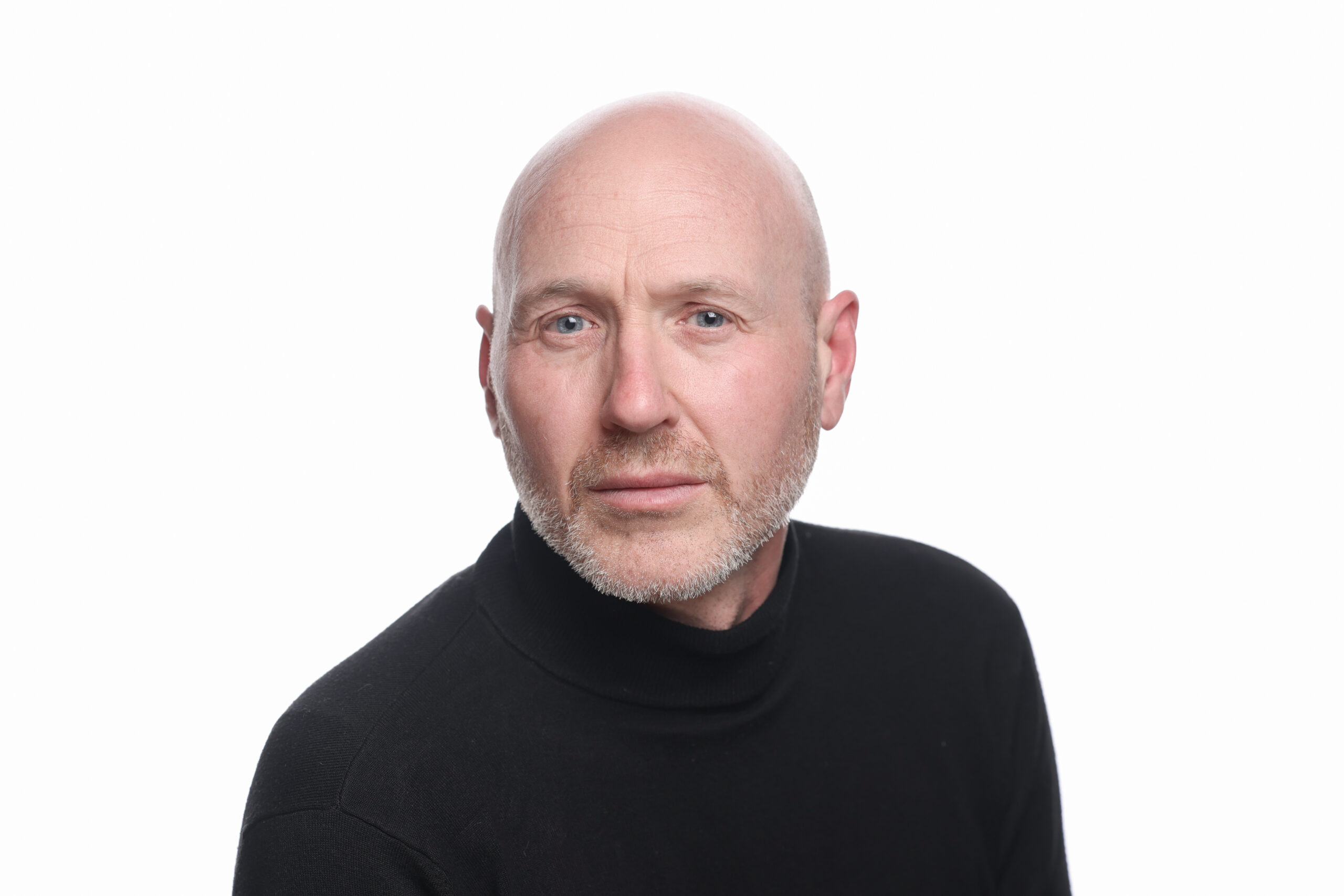
This article was curated by Alistair Bond – Senior CBT Therapist in London. He is the Clinical Director of the CBT Clinic London and he specialises in treating Post Traumatic Stress Disorder ( PTSD ) with CBT Therapy.
If you or a loved one are struggling with Post Traumatic Stress Disorder ( PTSD ), please get in touch with us. You can call our friendly reception team on 0207 157 9924, email info@cbtcliniclondon.com or simply fill out our new patient registration form and we’ll get back to you.