

Online CBT Therapy vs Face-to-Face: Is One More Effective Than the Other?
Summary: Many people wonder whether online CBT Therapy can work as well as sitting in a room with a CBT therapist. The...
Learn More

What If I Did Something Terrible and Can’t Remember?” How CBT Therapy Helps With Past-Harm OCD
Some people with OCD are tormented by the fear that they harmed someone in the past, perhaps badly, and have forgotten or missed...
Learn More

From Guilt to Relief: Treating Inflated Responsibility With CBT Therapy
Inflated responsibility can make everyday decisions feel loaded with the risk of causing harm. Explore how this belief fuels...
Learn More

Why OCD Convinces You That Thinking Equals Doing
Thought-Action Fusion (TAF) is a cognitive distortion common in OCD, where having a thought feels as significant, or even as...
Learn More

Exposure and Response Prevention (ERP): The Gold-Standard Treatment for OCD
Exposure and Response Prevention (ERP) is widely regarded as the gold-standard treatment for OCD. In this guide, CBT Clinic...
Learn More

Why Can’t I Stop Worrying? How CBT Therapy Treats Generalised Anxiety Disorder
Constant worry can feel exhausting and difficult to switch off. Learn how Generalised Anxiety Disorder develops, why uncertainty...
Learn More

How CBT Therapy Helps Treat Alcohol Addiction
Summary: Alcohol addiction rarely responds well to willpower alone, because it’s maintained by learned patterns,...
Learn More

How CBT Therapy Treats Panic Disorder: A Step-by-Step Overview
Panic disorder involves recurrent, unexpected panic attacks and the fear of having more, often leading to avoidance of everyday...
Learn More

Harm, Sexual, or Religious Intrusive Thoughts: How CBT Therapy Helps With Pure O
Pure O, or “purely obsessional” OCD, involves intrusive thoughts about harm, sexual themes, or moral and religious concerns,...
Learn More
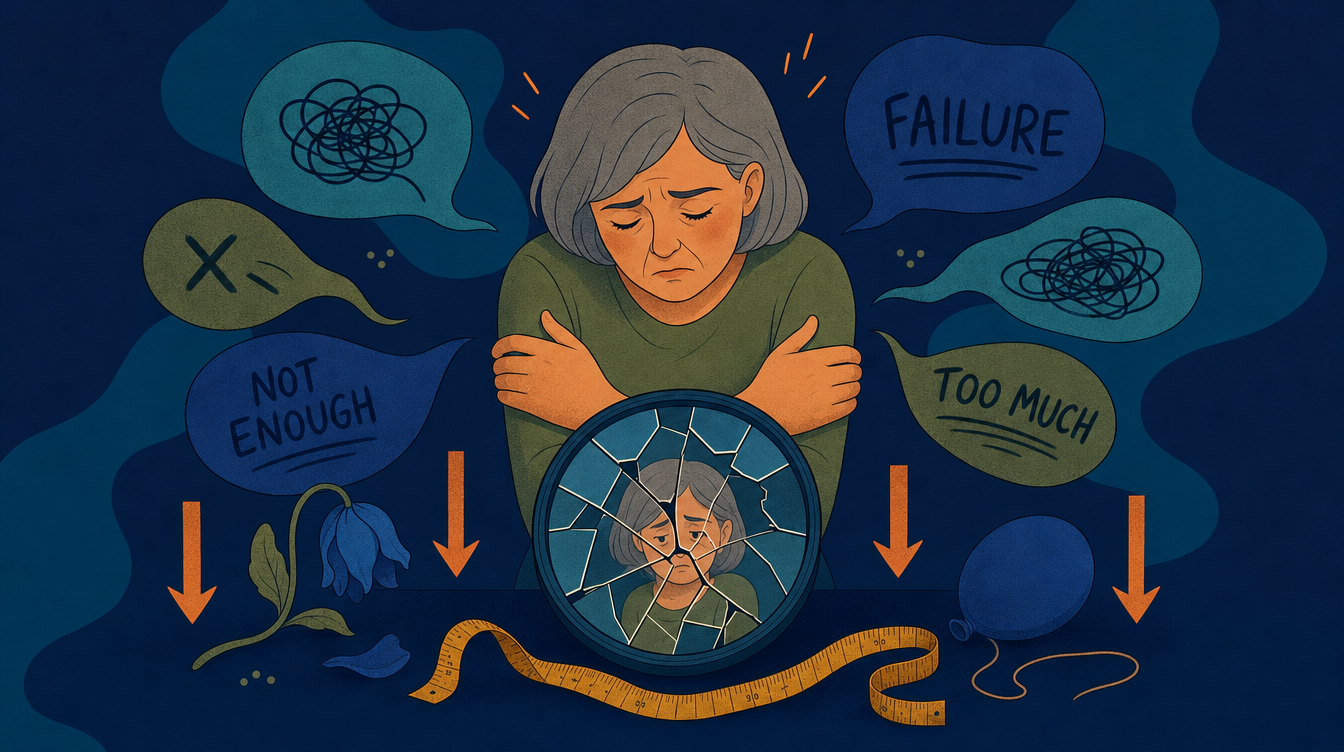
Building Self-Esteem From the Inside Out: A CBT Therapy Approach
Low self-esteem is driven by deep-rooted beliefs and patterns of self-criticism, not just “negative thinking.” This guide...
Learn More