• Home
  • CBT Therapy
  • Problems We Treat
    • ANXIETY
      • Social Anxiety
      • Excessive Worry (GAD)
      • Health Anxiety
      • OCD
      • Panic Attacks
      • Specific Phobia(s)
      • PTSD
    • STRESS
    • PURE O
    • DEPRESSION
    • INSOMNIA
    • ADDICTIONS
    • CHRONIC PAIN
    • PERFECTIONISM
    • INTRUSIVE THOUGHTS
    • IMPOSTER SYNDROME
  • New Patients
  • Resources
  • Home
  • CBT Therapy
  • Problems We Treat
    • ANXIETY
      • Social Anxiety
      • Excessive Worry (GAD)
      • Health Anxiety
      • OCD
      • Panic Attacks
      • Specific Phobia(s)
      • PTSD
    • STRESS
    • PURE O
    • DEPRESSION
    • INSOMNIA
    • ADDICTIONS
    • CHRONIC PAIN
    • PERFECTIONISM
    • INTRUSIVE THOUGHTS
    • IMPOSTER SYNDROME
  • New Patients
  • Resources

Call: +44 (0) 207  157 9924

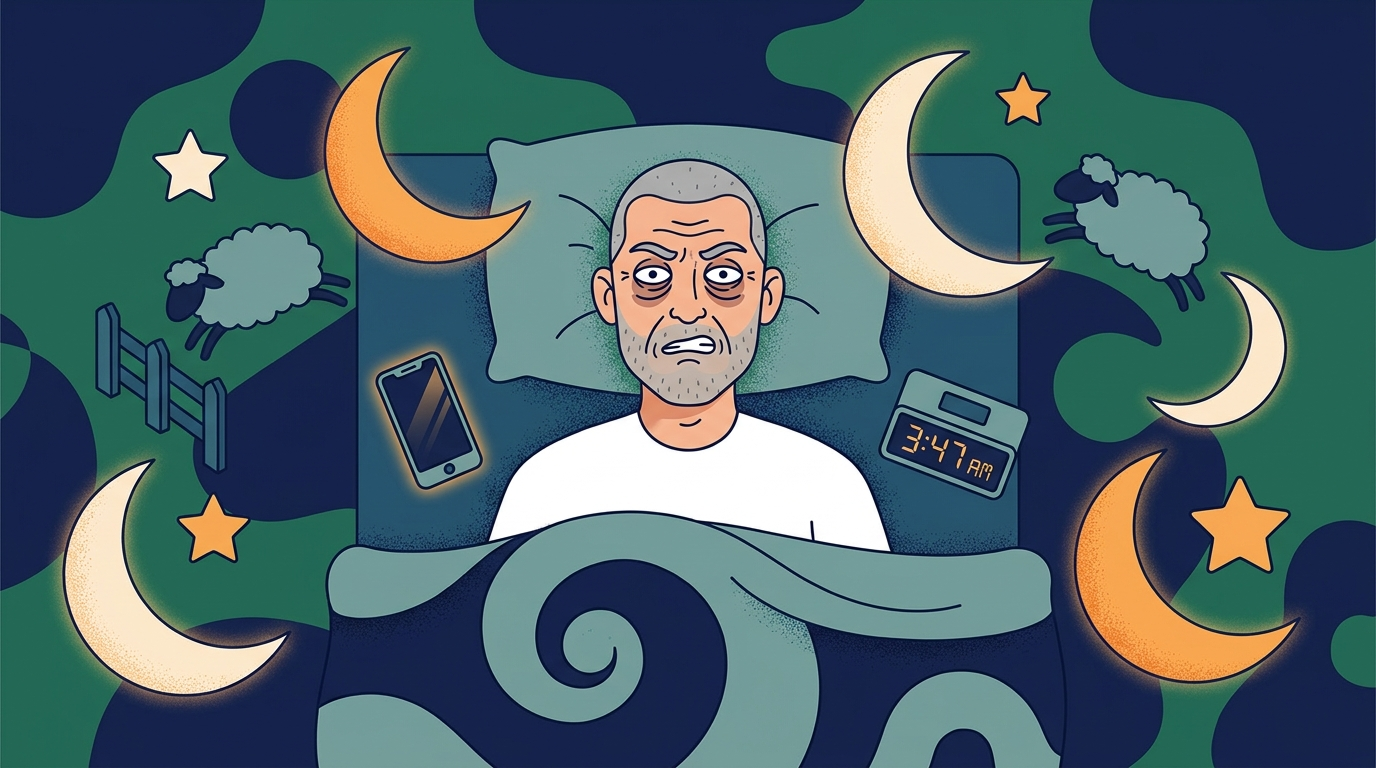
Illustration of a person lying awake in bed at 2:17 AM, surrounded by moons, stars, sheep, smartphone, and digital clock, with swirling dark patterns symbolizing insomnia and the role of CBT therapy in addressing sleep difficulties
Published on September 21, 2026in CBT for Insomnia: Why It Works Better Than Sleeping Pills for Many PeopleFull resolution (1376 × 768)

Insomnia Article_Main Image

This artwork depicts the struggle of insomnia: a person lies awake in bed, eyes open, while nighttime symbols — crescent moons, stars, sheep, smartphone, and a glowing digital clock — surround them. The swirling dark background conveys restlessness and sleeplessness. By highlighting these familiar signs of disrupted sleep, the image connects to the therapeutic approach of CBT for Insomnia (CBT‑I), which helps individuals identify thought patterns, reduce nighttime anxiety, and build healthier sleep routines. The composition visually bridges the experience of sleepless nights with the promise of structured, evidence‑based treatment.

Back
All Rights Reserved © 2024 CBT Clinic London